
In most cases, it’s completely normal. A gynecologist will often tell you that vaginal dryness before your period is usually linked to natural hormonal shifts—not something to panic about. Still, it helps to understand what’s going on in your body so you can manage it better (and feel less worried about it).
Why Do You Feel Dry Before Your Period?
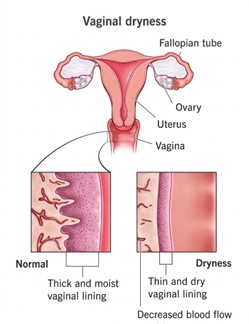
In the days leading up to your period, your estrogen levels start to drop. Estrogen is the hormone that helps keep the vaginal tissues healthy, elastic, and naturally lubricated. So when it dips, your body may produce less moisture.
At the same time, progesterone levels are higher, which can also contribute to that “dry” feeling.
You might also notice changes in your usual vaginal discharge. For some women, white discharge becomes thicker or less noticeable during this phase, which can make the dryness feel more obvious.
Common Causes of Vaginal Dryness Before Period
Hormonal fluctuations
The most common trigger before periods
Stress
When you’re stressed, your hormones can get a bit out of sync
Not drinking enough water
Hydration plays a bigger role than most people think
Using intimate washes or scented products
These can sometimes do more harm than good
Birth control pills
Some pills can slightly lower estrogen levels
Low mood or reduced arousal
It’s normal to feel less interested in intimacy before your period
Sometimes, it’s not just one reason—it can be a mix of a few. In some cases, underlying conditions like PCOS can also influence hormonal balance and contribute to symptoms like vaginal dryness.
If vaginal dryness is frequent or affecting your comfort, it’s best to seek professional advice and understand the underlying cause early.
Symptoms You May Notice
Vaginal dryness isn’t always obvious at first. It can show up in small ways, like:
- A dry or slightly uncomfortable feeling
- Mild itching or irritation
- Discomfort during intimacy
- A slight burning feeling while urinating
- Lower interest in sex before your period
For most women, these symptoms are temporary and settle once the period starts.
How to Manage Vaginal Dryness
You don’t always need medication for this. A few small changes can actually help a lot:
Stay hydrated
It sounds simple, but drinking enough water can make a real difference.
Be gentle with intimate care
Avoid using too many products down there—especially scented ones. Your body doesn’t really need them.
Use lubrication if needed
If dryness is affecting intimacy, a water-based lubricant can make things more comfortable.
Watch your diet
Healthy fats (like nuts, seeds, and fish) and a balanced diet support hormone health.
Manage stress where you can
Even small things like walking, stretching, or taking breaks can help regulate your system.
Wear breathable clothing
Cotton underwear and loose clothing help maintain a healthy environment.
None of these are drastic changes, but together they can really help.
Take charge of your intimate health by consulting a qualified gynecologist and getting personalized guidance tailored to your body.
Conclusion
Vaginal dryness before your period can feel uncomfortable, but in most cases, it’s just your body responding to natural hormonal changes.
Once your period begins and hormone levels shift again, things usually go back to normal.
The key is to listen to your body. If it’s occasional, simple care is enough. If it’s frequent or bothersome, a gynecologist can help you figure out what’s going on.
When Should You See a Gynecologist?

Occasional dryness before your period is normal. But if something feels off, it’s always better to check.
You should consider seeing a gynecologist if:
- Dryness doesn’t go away after your period
- You feel pain during intercourse regularly
- There’s unusual discharge or a strong odor
- Itching or burning keeps coming back
- It’s affecting your daily comfort
It’s always okay to ask questions and get clarity—don’t ignore persistent symptoms.
FAQs – Brown Discharge Before Period
Does being dry mean period is coming?
Sometimes, yes. Many women notice dryness just before their period because of falling estrogen levels. But it’s not a definite sign for everyone.
Why am I suddenly dry down there?
It could be due to hormonal changes, stress, dehydration, or even the products you’re using. Sudden dryness is usually temporary.
How to fix vaginal dryness?
Start with simple steps—stay hydrated, avoid harsh products, and use lubricants if needed. If it continues, it’s best to consult a doctor.
How can I increase my wetness naturally?
Focus on hydration, a balanced diet, stress management, and proper arousal. These all play a role in natural lubrication.
Can coconut oil remove dryness?
Some women use coconut oil as a natural moisturizer, but it may not suit everyone. It’s best to use it cautiously and avoid it with condoms.