
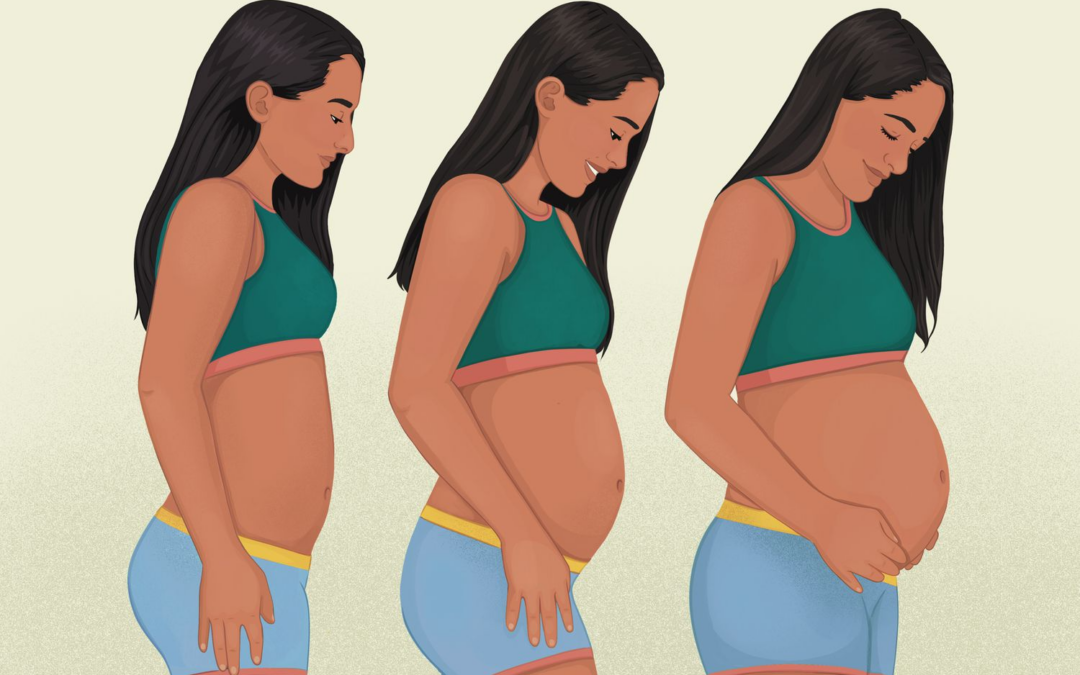
The first three months of pregnancy also known as the first trimester (weeks 1 to 12) are one of the most crucial phases in your pregnancy journey. This is the time when your baby’s brain, heart, and major organs begin to develop, making proper care extremely important.
Whether it’s your first pregnancy or not, taking guidance from an experienced gynecologist can make a big difference in ensuring a safe and healthy pregnancy.
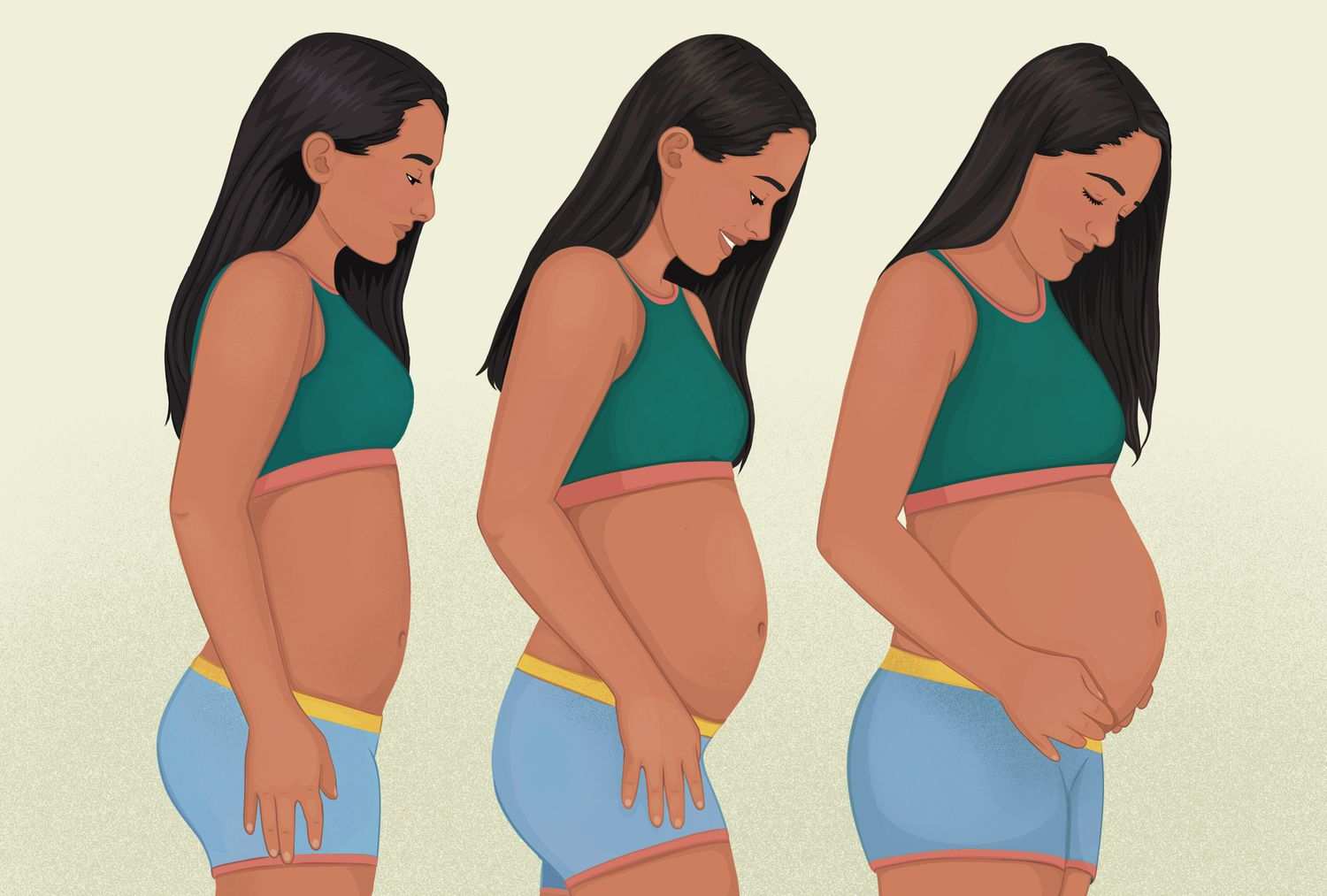
Why First Trimester Care is So Important
During the early weeks, your body undergoes rapid hormonal changes, and your baby’s development starts at a very fast pace. Even small lifestyle changes can impact your baby’s growth.
That’s why most gynecologists recommend early prenatal care to monitor your health, detect any risks, and guide you throughout the journey
Common First Trimester Symptoms: What's Normal?
All pregnancies are unique, but here is what most women feel for the first three months of their pregnancy:
Nausea or morning sickness (this can occur at any time of the day)
Fatigue and excessive sleepiness
Breast tenderness and swelling
Frequent urination
Light cramping and spotting (implantation bleeding)
Cravings for certain foods
Irritability because of hormone changes
However, it’s important to monitor your health. Though uncommon early on, some women may develop high blood pressure (hypertension), which often shows no symptoms. Regular check-ups with your gynecologist help detect it early.
Not sure if your symptoms are normal?
Consult an experienced gynecologist in Nerul, Navi Mumbai for the right guidance and support throughout your pregnancy journey.
Essential First Trimester Care Tips
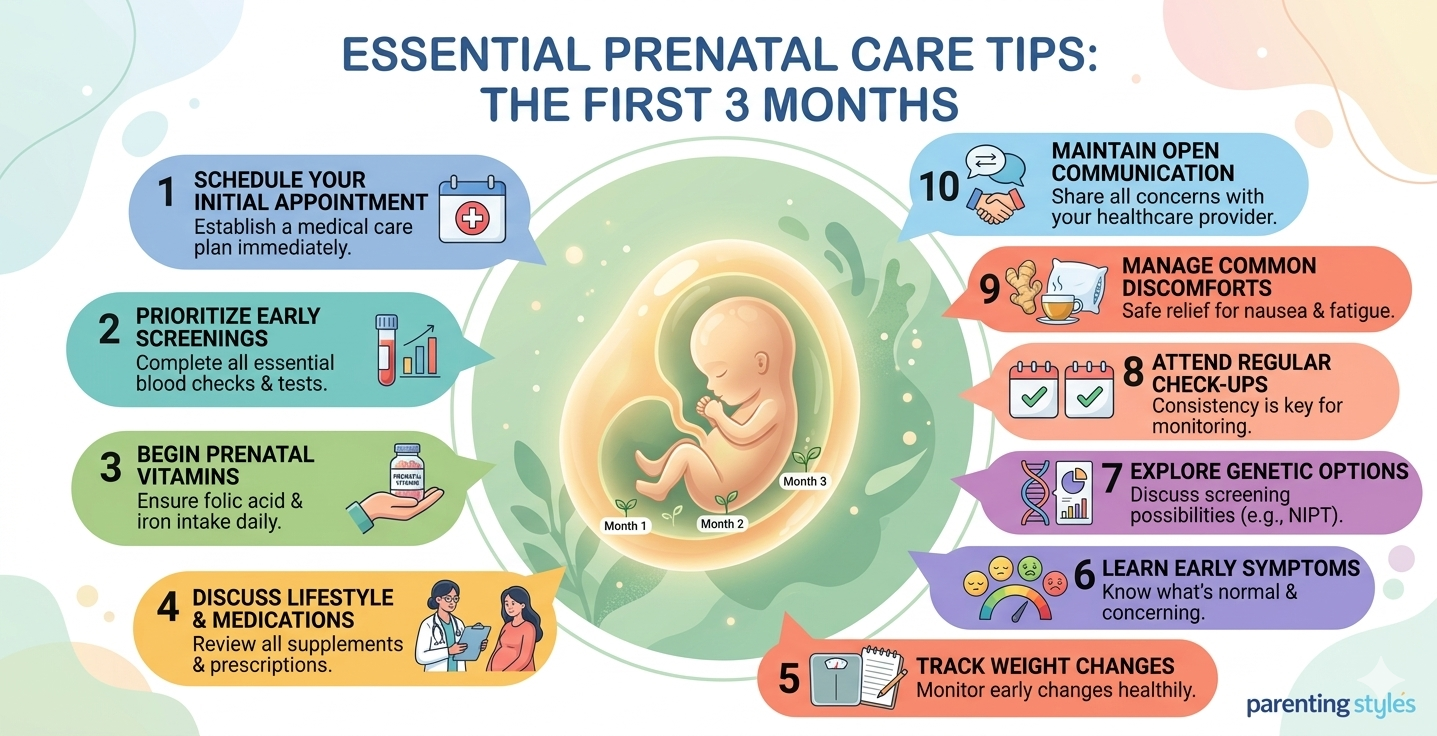
Meet a Gynecologist Right Away
Visit a gynecologist as soon as possible after you take a pregnancy test. It will help in confirming the pregnancy and estimating the expected delivery date. It is also the time when important tests can be started.
Start Prenatal Vitamins
Folic acid is one of the most important nutrients during early pregnancy. It helps in the development of your baby’s brain and spine and reduces the risk of birth defects. Always take supplements only as prescribed by your gynecologist.
Eat a Balanced Diet
A balanced diet is essential during pregnancy. You need to include the following foods in your diet:
- Fresh fruits and vegetables
- Protein-rich foods like dal, eggs, paneer
- Whole grains
- Plenty of water
Eating small, frequent meals can help manage nausea and keep your energy levels stable.
Stay Hydrated
Drink enough water throughout the day. Hydration helps in digestion, reduces fatigue, and supports overall health.
Get Enough Rest
Your body is working overtime to support your baby’s development. Make sure you:
- Sleep 7–9 hours daily
- Take short naps if needed
Rest is just as important as nutrition during this stage.
Light Exercise is Beneficial
Unless advised otherwise by your gynecologist, gentle activities like walking or prenatal yoga can:
- Improve blood circulation
- Reduce stress
- Help with digestion
Avoid Harmful Substances
Stay away from:
- Alcohol
- Smoking
- Caffeine (limit intake)
- Raw or undercooked food
These can negatively affect your baby’s development.
Trusted by hundreds of mothers in Navi Mumbai — expert care from day one to delivery.
Key Tests in the First Trimester
Your gynecologist will guide you through these important screenings:
NT scan (Nuchal Translucency)
Done around week 11–13 to screen for Down syndrome and other chromosomal conditions
Double marker test
Blood test done alongside NT scan for chromosomal risk assessment
Urine routine
To check for infections or protein (early sign of preeclampsia)
Thyroid function test
Thyroid issues in early pregnancy can affect baby’s brain development if left untreated
FAQ
1. What should I consume during the first trimester?
A healthy and balanced diet that includes fruits, vegetables, protein, and whole grains. Smaller portions of food more frequently can help control nausea.
2. When should I see a gynecologist after confirming pregnancy?
The best time is within 6–8 weeks of pregnancy.
3. Is exercising safe during the first trimester?
Light exercises such as walking are considered safe, although it is crucial to seek your gynecologist’s opinion prior to exercising.
4. What vitamins are required during the first trimester?
Some common vitamins include folic acid, iron, calcium, and vitamin D.
5. What should I avoid during the first trimester?
Alcohol, smoking, undercooked foods, strenuous activities, and medications without consulting your gynecologist are prohibited.