
You’ve reached 36 weeks, and your baby is almost ready to meet you. Right now, your little one is gaining weight, maturing and getting ready for life outside the womb. You may be feeling it too: more pelvic pressure, an aching back, constant trips to the bathroom, restless nights and the odd contraction.
These final weeks call for a little extra care. Knowing what to avoid at 36 weeks pregnant can help you make confident choices about your routine, your meals and your activities. Every pregnancy is different, but a few sensible precautions can make this stretch safer and more comfortable. Here’s what to keep in mind.
“Every pregnancy is different. Following appropriate precautions and attending regular check-ups can support the health of both mother and baby.” — Dr. Amit Agrawal
1. Avoid Strenuous Physical Activities
By now, your belly is shifting your center of gravity, and you’ve probably noticed that balance, posture and even simple movements feel different. Pushing yourself too hard can leave you sore and tired, and it makes a stumble or fall more likely.
Go easy on, or skip altogether:
That said, you don’t need to stop moving altogether. Gentle walking, stretching and pregnancy-approved exercises can be a good fit if your pregnancy is uncomplicated and your doctor hasn’t advised otherwise. If your pregnancy is high-risk, or you’ve been asked to limit certain activities, follow your obstetrician’s guidance.
2. Avoid Certain Foods During the 36th Week of Pregnancy
Food safety doesn’t take a break as your due date nears. Some foods can carry bacteria or other things that may harm you or your baby, so it’s worth being choosy right up until delivery.
Avoid or cut back on:

Please don’t wait until tomorrow, and don’t rely on a home Doppler for reassurance. A healthcare professional can assess your baby and recommend further monitoring if needed.
4. Avoid Taking Medicines Without Medical Advice
Some medicines can affect your health or your baby’s development, even in the final weeks. Be careful with anything you take, including supplements.
Avoid:

you have a headache, fever, acidity, body pain or any other discomfort, ask your doctor about safe treatment options. Always let your provider know about every medicine, supplement and herbal product you use.
Don’t delay your birth preparations.
Talk to your obstetrician about your delivery preferences and pain management options, including epidural analgesia.
5. Avoid Dehydration and Skipping Meals
Staying hydrated and eating regularly matter throughout pregnancy. Dehydration can bring on headaches, dizziness, constipation and general discomfort.
At 36 weeks, try to:

If you have persistent vomiting, trouble keeping fluids down or signs of dehydration, seek medical advice. Your nutritional needs depend on your health, activity level and pregnancy, so follow the dietary advice your healthcare professional gives you.
6. Avoid Ignoring Warning Signs Before Labour
As your due date gets closer, your body will keep surprising you. Plenty of aches and discomforts are normal this late in pregnancy, but some symptoms are never worth waiting out.
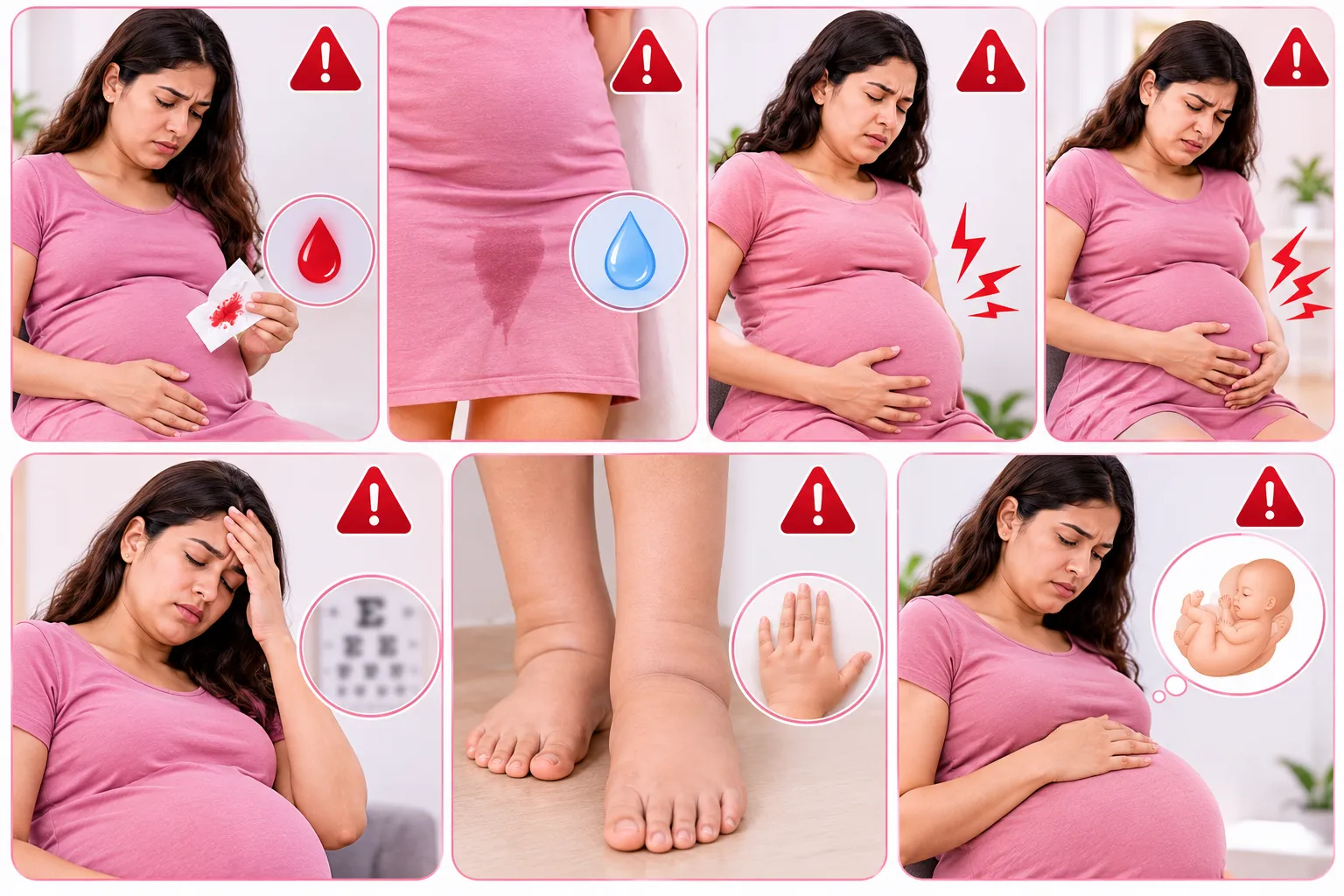
Key Warning Signs at 36 Weeks Pregnant
- Any vaginal bleeding or spotting
- A sudden gush or a steady trickle of fluid
- Contractions that are painful or come at regular intervals
- Severe or lasting abdominal pain
- A severe headache or blurred vision
- Sudden swelling in your face or hands
- Your baby moving less than usual, or not at all
Important: If you notice any of these signs, get medical help straight away. Don’t wait and see, especially if your baby’s movements have slowed or you think you might be in labour.
Every delivery journey is different.
Discuss your birth preferences, delivery options and pain relief choices with your obstetrician ahead of time.
7. Avoid Delaying Your Birth Preparations
Getting ready ahead of time can take the stress out of the last-minute rush. Labour may not start right away, but having everything in place will make the transition smoother.
This week, try to:
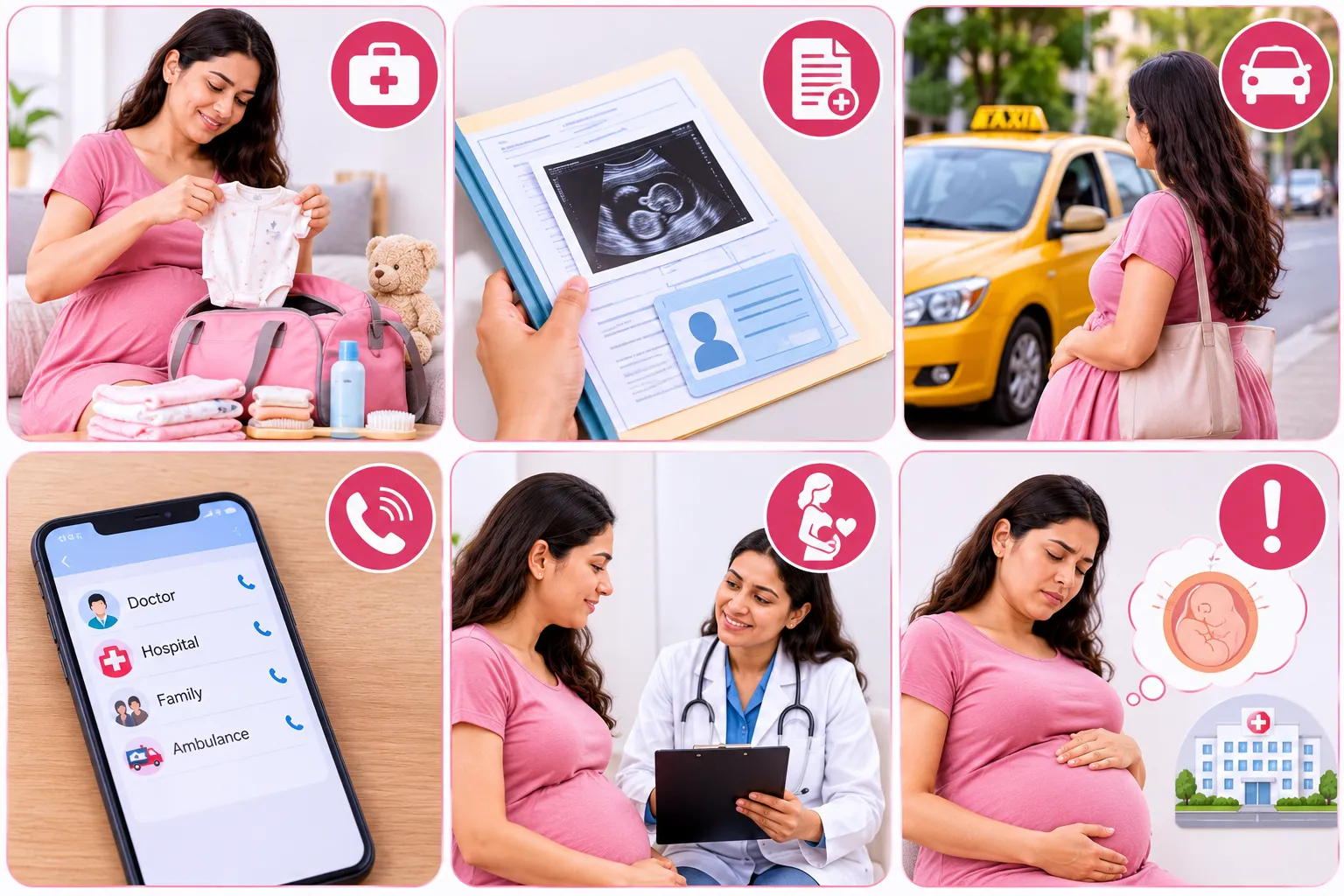
You can also talk with your obstetrician and anaesthesia team about pain relief during labour, including epidural analgesia and other approaches to a painless delivery. Keep in mind that your options for delivery and pain relief depend on your medical condition, how your pregnancy is progressing and your clinical assessment.
8. Avoid Excessive Stress and Poor Sleep Habits
The last weeks of pregnancy bring physical discomfort and emotional ups and downs. It’s natural to feel nervous about labour, delivery, caring for a newborn or the changes parenthood will bring. Looking after your emotional health is a real part of prenatal care.
A few simple habits can help:

Maintain a regular sleep routine and get enough rest throughout the day. Use supportive pillows for comfortable sleep, practise gentle breathing exercises, share your worries with loved ones and limit screen time before bedtime to support better sleep and emotional well-being during the final weeks of pregnancy.
Conclusion
As your pregnancy draws to a close, it pays to take a little extra care of yourself. Eat well, drink plenty of fluids, and keep a close eye on your baby’s movements and any unusual symptoms.
Every pregnancy is unique, especially a high-risk one. Keep up with all of your prenatal check-ups, and talk with your obstetrician about your delivery plans and pain relief options, including an epidural.
Frequently Asked Questions
1. Is 36 weeks considered full-term?
Not quite. A baby at 36 weeks is called late preterm, and full term is 39 weeks. Those last weeks count for a lot, since this is when your baby keeps growing and her brain, lungs and other organs finish developing.
2. What activities should I avoid at 36 weeks pregnant?
Try not to carry heavy loads or push yourself with hard workouts, and stay away from anything that could lead to a fall or leave you worn out. If your pregnancy has had no complications, you can usually still go for walks and do other exercises your doctor recommends.
3. Is walking safe at 36 weeks pregnant?
For most women with an uncomplicated pregnancy, yes. If your pregnancy is high-risk, or you’ve been told to avoid certain activities, speak with your obstetrician before you start any exercise routine.
4. What are the warning signs of labour at 36 weeks?
Look out for regular contractions, vaginal bleeding, leaking fluid, or lower back pain or pelvic pressure that doesn’t go away and comes with contractions. You’re still before full term, so don’t wait it out. Contact your maternity care team as soon as possible if any of these appear.