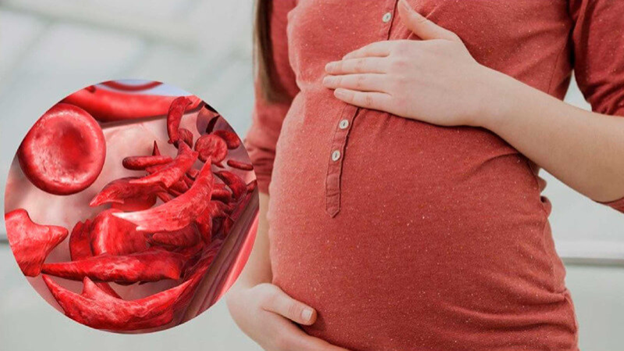
Pregnancy is a special phase in a woman’s life, but it also brings major changes to the body. During these months, the body needs extra iron and nutrients to support the growing baby. When there are not enough healthy red blood cells to carry oxygen properly, anemia can develop.
Anemia during pregnancy is very common, especially iron-deficiency anemia. Many women ignore early signs like tiredness or weakness, assuming they are a normal part of pregnancy. However, if anemia is not treated on time, it can increase the chances of a high-risk pregnancy and may affect both the mother and the baby.
The positive side is that anemia can usually be controlled with the right treatment, a healthy diet, regular prenatal checkups, and proper guidance from a gynecologist.
High-Risk Pregnancy: How Anemia Can Create Complications
Mother and baby must have a constant supply of oxygen and proper nutrition for a healthy pregnancy. If there is severe anemia, the body may not be able to meet these needs and may experience a number of pregnancy complications.
Increased Risk of Premature Delivery
If a woman has low levels of hemoglobin, she may be at a greater risk of giving birth prematurely. Some organs may not be fully developed at birth and may require extra medical attention for premature babies.
Low Birth Weight in Babies
If the baby’s oxygen and nutrients are not adequate, growth in the womb may be delayed. This can lead to low birth weight and thus have a negative impact on the health of the baby after birth.
Constant Weakness and Fatigue
A very obvious symptom of anemia is constant fatigue. Women may become tired and fatigued all day long during the pregnancy. Low energy levels can make everyday tasks seem difficult.
Increased Chances of Infections
Anemia may weaken the body’s natural defense system, making pregnant women more vulnerable to infections during pregnancy and after childbirth.
Complications During Delivery
Anemia may make it more likely for excessive bleeding during childbirth, called postpartum hemorrhage. Blood transfusion or emergency medical care might be necessary in some cases.
Heart Strain and Breathing Problems
If hemoglobin is below normal levels, the heart has to pump more to get oxygen to the rest of the body. This can lead to effects such as palpitations, shortness of breath, chest pain or shortness of breath.
Due to these risks, a physician’s attention is paid to hemoglobin levels throughout pregnancy, particularly in women who may already be at high-risk.
Are you feeling weak, dizzy, or anemic while pregnant? Seek advice from a skilled gynecologist to diagnose your problem and take good care of your pregnancy.
Common Symptoms of Anemia During Pregnancy
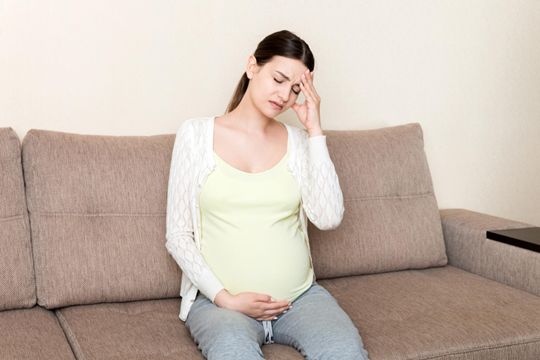
Anemias usually present itself insidiously, and many women think it’s just an ordinary discomfort of pregnancy. If these signs are identified early, this can prevent major issues down the road.
Some common symptoms include:
Feeling tired most of the time
A lack of strength and endurance
Lips or skin that are pale
Dizziness or fainting attacks
Shortness of breath
Frequent headaches
Fast or irregular heartbeat
Trouble concentrating
Cold hands and feet
These symptoms may persist for long periods if they are severe or recurrent; and should not be ignored.
How to Prevent and Manage Anemia During Pregnancy
Simple lifestyle changes, effective nutrition and timely medical intervention can prevent or control anemia in many cases.
Follow an Iron-Rich Diet
Healthy food consumption is among the most effective ways to manage hemoglobin levels while pregnant. Some examples include:
- Green leafy vegetables and spinach.
- Beetroot
- Dates and raisins
- Lentils and beans
- Eggs
- Eat lean meat and chicken.
- Pomegranate
- Nuts and seeds
Add Vitamin C to Your Diet
Vitamin C increases the absorption of iron. Fruits like oranges, lemons, strawberries, amla are naturally apt to enhance the iron absorption.
Take Prescribed Supplements on Time
Iron and folic acid pills are frequently advised for pregnant women. Consistent use of these supplements will prevent iron deficiency and promote healthy baby development.
Limit Tea and Coffee After Meals
Tea and coffee can interfere with the absorption of iron. They are best taken 1-2 hours after eating.
Never Skip Prenatal Checkups
Routine pregnancy checkups and blood tests help monitor hemoglobin levels and identify anemia before it becomes severe.
Follow Your Gynecologist’s Treatment Plan
If a moderate or severe case of anemia is present, doctors may recommend iron injections or IV iron therapy to help recovery.
Help your baby grow up healthily and safeguard your pregnancy by treating your anemia problem.
When Should You Consult a Gynecologist?
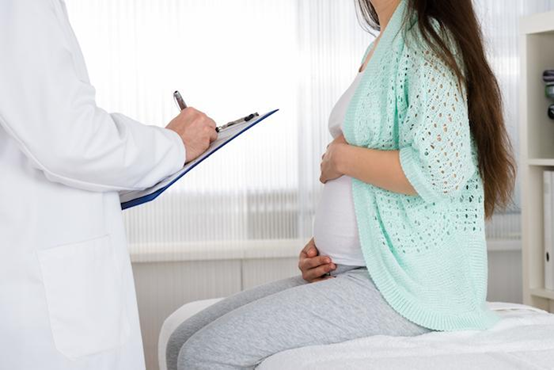
Although mild anemia can often be managed with diet and supplements, certain symptoms during pregnancy should never be ignored.
Seek advice from a gynecologist in case of:
- Extreme exhaustion
- Dizziness
- Difficulty breathing
- Fast heartbeat
- Headaches
- Very pale skin
- Reduced fetal movements
- Difficulty performing daily activities
It is always better to seek medical assistance when it is due to avoid complications and ensure maternal and infant safety during pregnancy.
FAQ
Is anemia dangerous during pregnancy?
It is quite common to have mild anemia during pregnancy; however, severe anemia can be a cause of serious health problems for both a woman and her unborn child.
Is anemia likely to make my pregnancy high-risk?
If a patient suffers from severe anemia, she will probably give birth prematurely and may suffer from birth defects and other complications.
What food can improve my condition?
Iron-containing foods such as spinach, dates, lentils, eggs, pomegranate, nuts, and lean meat may improve my hemoglobin level.
How is anemia diagnosed during pregnancy?
Gynecologists usually detect anemia through routine blood tests that check hemoglobin levels during prenatal visits.
Can anemia affect the baby’s growth?
Yes, untreated anemia may reduce oxygen supply to the baby, which can sometimes affect fetal growth and lead to low birth weight.
When should I visit a gynecologist for anemia symptoms?
You should seek medical advice if you experience severe fatigue, dizziness, breathing difficulty, fainting, or constant weakness during pregnancy.