
Noticing that your period hasn’t stopped for three weeks can be alarming. Many women in their 40s or early 50s experience cycle changes and assume it’s “just menopause starting.” But when perimenopause bleeding lasts for 3 weeks, it deserves attention — not silence. While hormonal changes are common during this phase, prolonged bleeding is not something you should ignore. Consulting a gynecologist can help you understand the cause and ensure that there are no underlying concerns. Understanding what’s happening inside your body empowers you to seek the right care at the right time.

Understanding Perimenopause

Perimenopause is the transition phase before menopause. It usually begins in the late 30s or 40s and can last anywhere from 4 to 8 years. During this time, the ovaries gradually produce less estrogen and progesterone.

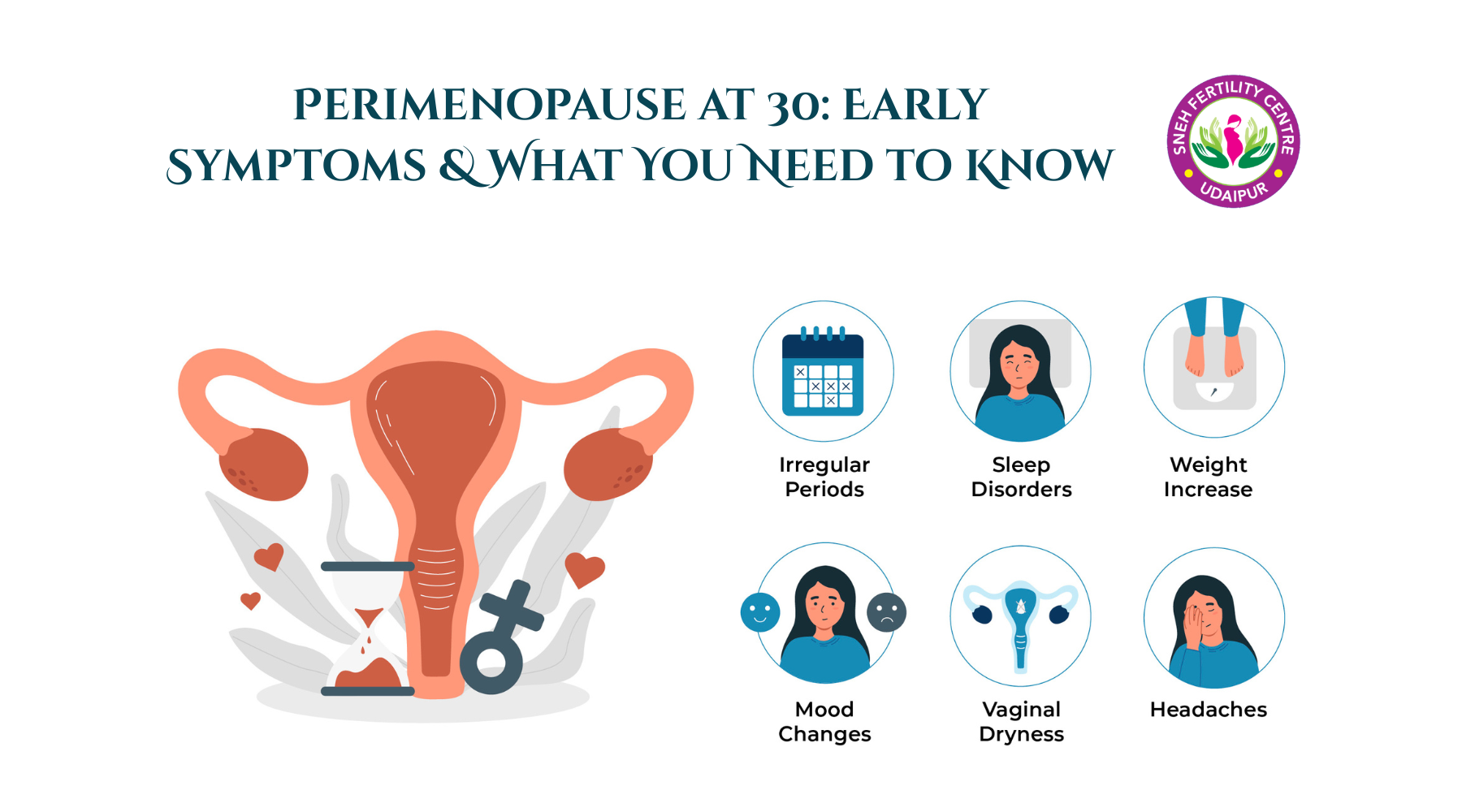
Because these hormones regulate your menstrual cycle, fluctuations can cause noticeable changes such as:

Irregular periods

Skipped cycles

Heavier or lighter flow

Spotting between periods

Shorter or longer duration of bleeding

However, bleeding continuously for three weeks is beyond normal cycle variation and should be evaluated by a gynecologist.

Experiencing perimenopause bleeding for 3 weeks or unusual cycle changes? Consult a trusted gynecologist for proper evaluation and treatment.

Why Does Perimenopause Cause Bleeding for 3 Weeks?
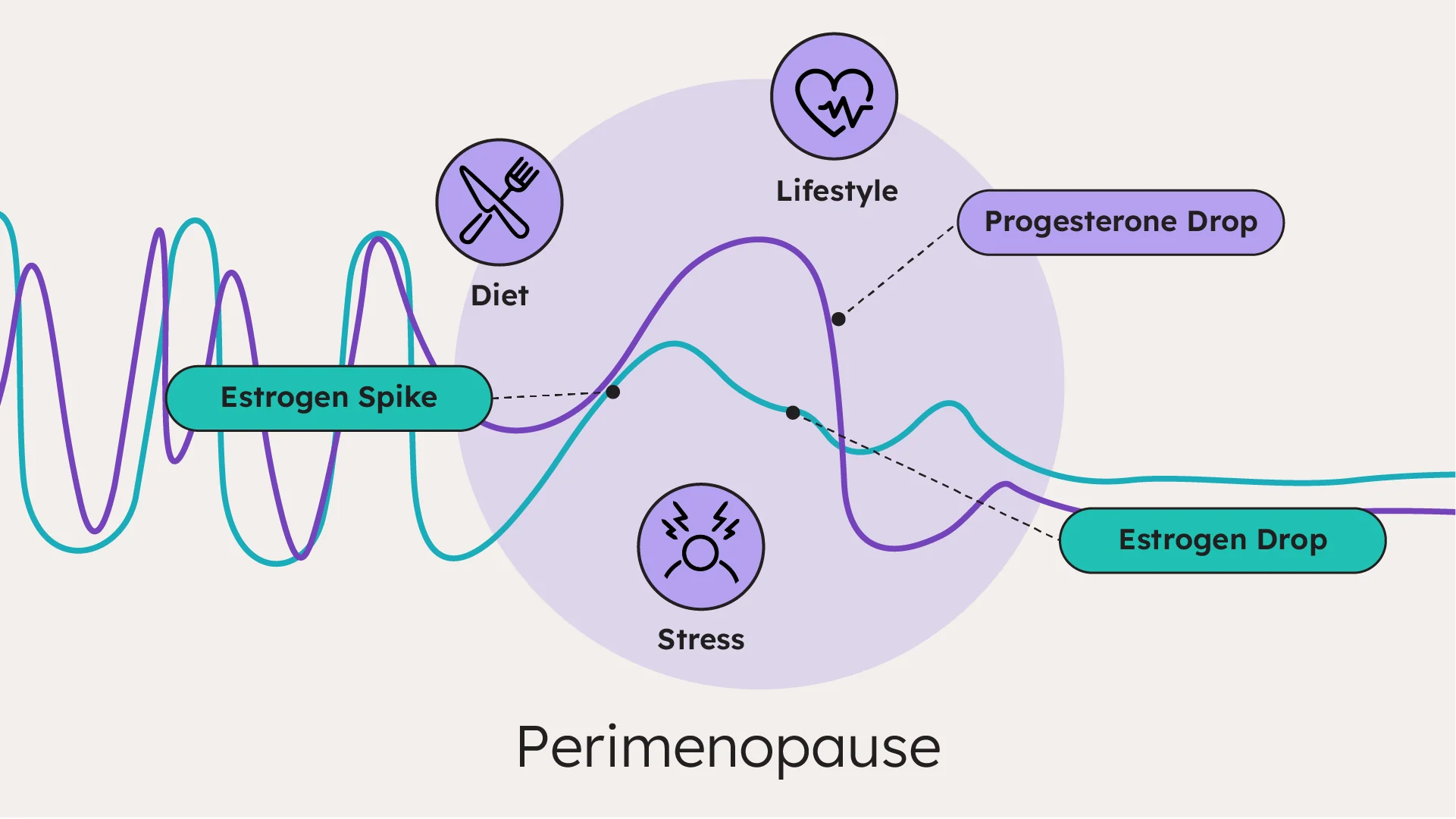
The most common reason is hormonal imbalance. During perimenopause, ovulation does not happen regularly. When ovulation is skipped:

Progesterone levels remain low

Estrogen continues to stimulate the uterine lining

The lining becomes thicker than usual

Eventually, the uterus sheds this thick lining, leading to heavy or prolonged bleeding. This condition is often called anovulatory bleeding. In simple terms — your body builds up more lining than usual, and when it sheds, it takes longer.

Other Medical Causes That Should Be Ruled Out

Although hormones are often responsible, prolonged bleeding can also be caused by underlying medical conditions. A proper evaluation by a gynecologist is important to rule out:

Uterine Fibroids

Non-cancerous growths in the uterus that can cause heavy and long-lasting bleeding.

Endometrial Polyps

Small growths inside the uterine lining that may cause irregular or prolonged bleeding.

Thyroid Disorders

Thyroid imbalance can significantly affect menstrual cycles.

Endometrial Hyperplasia

Thickening of the uterine lining, which may require medical treatment.

Bleeding Disorders

Certain clotting issues can lead to excessive bleeding.

Endometrial Cancer (Rare but Important to Rule Out)

Especially in women above 45, persistent abnormal bleeding should always be evaluated carefully.

This is why self-diagnosing perimenopause bleeding for 3 weeks as “normal” can delay necessary treatment.

Symptoms That Need Immediate Medical Attention
Consult a gynecologist urgently if you notice:

Bleeding lasting more than 14 days

Soaking through pads every 1–2 hours

Passing large clots

Severe abdominal pain

Weakness, fatigue, or breathlessness

Dizziness or fainting

Bleeding after intercourse

Bleeding after menopause

Prolonged bleeding can lead to anemia, which may cause extreme tiredness and weakness.
Don’t ignore prolonged bleeding. Book your appointment today and take charge of your hormonal health.

Treatment Options for Perimenopause Bleeding for 3 Weeks

Treatment depends entirely on the underlying cause, your age, health condition, and whether you are approaching menopause. Common treatment options include:
E

Hormonal Therapy

Progesterone or combined hormonal pills can help regulate the cycle and reduce bleeding.
E

Non-Hormonal Medications

Certain medications reduce heavy bleeding without affecting hormones.
E

Iron Supplements

If anemia is present.
E

Minimally Invasive Procedures

If fibroids or polyps are detected.
E

Endometrial Ablation

A procedure to reduce uterine lining thickness in selected cases.

E

Surgical Options

In severe cases where other treatments fail.

Most women respond well to medical management when addressed early.

Conclusion

Perimenopause bleeding for 3 weeks may be due to hormonal changes, but it should not be ignored. While irregular cycles are common, prolonged bleeding needs evaluation by a gynecologist to rule out underlying causes and prevent complications like anemia. Early consultation ensures proper treatment and peace of mind.
1. Is it normal to have perimenopause bleeding for 3 weeks?

Irregular periods are common in perimenopause, but bleeding for three weeks is not normal. You should consult a gynecologist for evaluation.

2. What causes prolonged bleeding during perimenopause?
Hormonal imbalance is the most common cause. Other reasons may include fibroids, polyps, thyroid issues, or uterine lining changes.
3. When should I see a gynecologist?
If bleeding lasts more than 10–14 days, is very heavy, or causes weakness or dizziness, seek medical advice promptly.
4. Can prolonged bleeding cause anemia?
Yes. Heavy or continuous bleeding can lower hemoglobin levels and cause fatigue and weakness.
5. What tests are needed?
Your gynecologist may suggest blood tests, ultrasound, and sometimes an endometrial biopsy.
6. Can treatment stop prolonged bleeding?
Yes. Hormonal or non-hormonal medications usually help control bleeding once the cause is identified.
Call Now Button