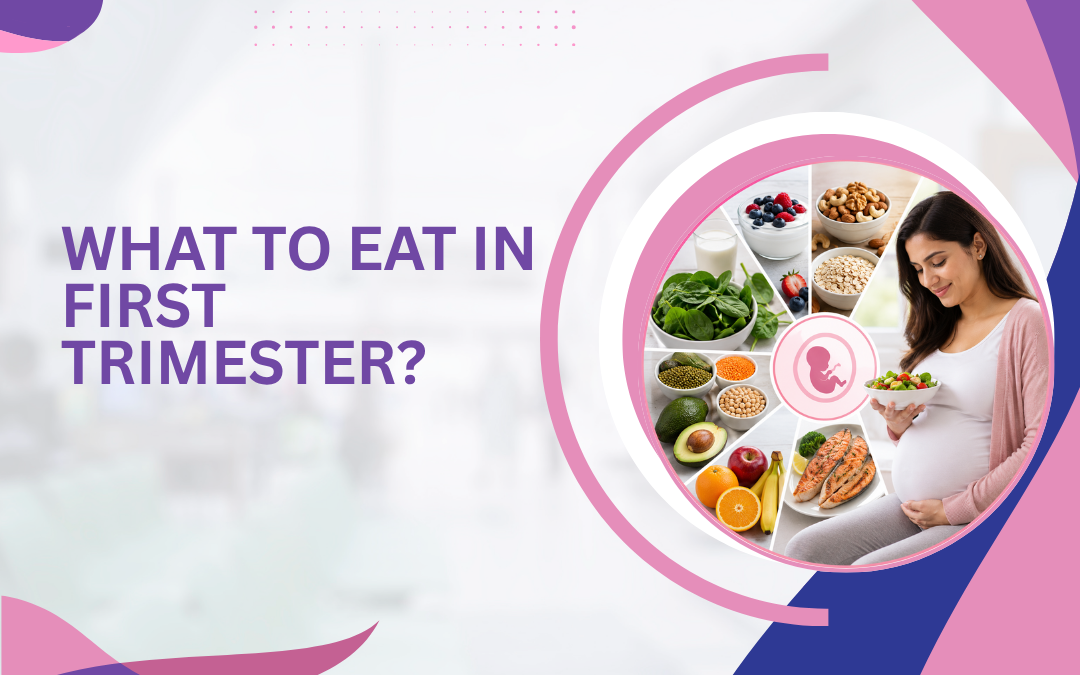
During the first trimester, you should focus on nutrient-dense whole foods rich in folate, iron, calcium, and protein to support early fetal organ development. Your calorie needs barely change in these first three months. What your body really needs is high-quality micronutrients, the kind that help prevent birth defects and ease early symptoms like morning sickness.
According to Dr. Amit Agrawal, an experienced gynecologist in Nerul, “The first trimester isn’t about eating more. It’s about eating smart. The right nutrients in these weeks shape how the baby’s brain, spine, and organs form.”
Which Nutrients Matter Most in Early Pregnancy?
The baby’s neural tube closes within the first month. That’s the structure that turns into the brain and spinal cord. So the food on your plate right now? It counts more than you’d think. Four nutrients carry most of the load.
folate:This is the one doctors stress about. Spinach, lentils, chickpeas, oranges. It protects against neural tube defects, and the catch is timing, you need it early, before many women even confirm the pregnancy.
Iron:because your body is busy making extra blood now. Leafy greens, dates, jaggery, a bit of lean meat if you eat it. Squeeze some lemon over that spinach. Vitamin C helps the iron actually absorb.
Calcium: comes next. Milk, curd, paneer, ragi all do the job. Good for the baby’s bones, and it quietly protects yours too.
protein:Eggs, dals, sprouts, a handful of nuts. Every new cell forming inside you is built from it.
One thing women forget. A supplement backs up your diet, it doesn’t stand in for it. Our blog on the first 3 months walks through the full care routine that sits around the food.
How Do You Eat Well When Morning Sickness Hits?
Cruel timing, really. Nutrition matters most exactly when nausea makes the thought of food unbearable. Most women find a few small changes get them through it.
Eat small-eat often: Five little meals beat three heavy ones, and an empty stomach almost always makes the queasiness worse.
Keep it bland:A couple of dry crackers or a banana before you even sit up in bed can settle things before they start.
Ginger: is your friend here. Ginger tea, a ginger sweet, sometimes just the smell of it. Old remedy, and it genuinely works for a lot of women.
Drink:Water, coconut water, lemon water through the day. Dehydration sneaks up and makes everything feel ten times worse.
Cravings? Indulge them a little, just don’t let them push out the good stuff entirely. And if it gets to the point where nothing stays down for days on end, that isn’t something to power through. Proper pregnancy care makes a real difference at that stage.
Why Choose Dr. Amit Agrawal for Your Pregnancy Journey?
Dr. Amit Agrawal is a senior gynecologist and obstetrician in Nerul, Navi Mumbai. MBBS, MS, DNB, FMAS, and a Fellowship in Infertility & Urogynecology behind him, plus years of guiding women safely through pregnancy right from week one.
What patients tend to appreciate is how grounded his advice stays. Food suggestions that actually fit an Indian kitchen, straight answers on what’s safe and what isn’t, and steady support that doesn’t waver across the trimesters.
Worried About what to eat in Trimester?
Expecting? Get personalized pregnancy nutrition guidance from our expert gynecologists. Book your consultation today.
Frequently Asked Questions
Can I eat papaya in the first trimester?
Avoid raw or semi-ripe papaya, as it may trigger contractions. Fully ripe papaya is safer in small amounts.
What foods help with morning sickness?
Dry crackers, ginger, small frequent meals, and bland foods help settle early pregnancy nausea.
Do I need to eat for two in early pregnancy?
No. Calorie needs barely change in the first trimester. Focus on quality, not quantity.
Is folic acid enough or do I need food sources too?
Take your supplement and eat folate-rich foods like leafy greens, lentils, and citrus together
References
- World Health Organization / NCBI Bookshelf – Guideline: Daily Iron and Folic Acid Supplementation in Pregnant Women (Background)
https://www.ncbi.nlm.nih.gov/books/NBK132264/ - World Health Organization / NCBI Bookshelf – Guideline: Daily Iron and Folic Acid Supplementation in Pregnant Women (Remarks)
https://www.ncbi.nlm.nih.gov/books/NBK132251/
Disclaimer:
This blog is for informational and educational purposes only and should not be considered medical advice. Please consult Dr Amit or a gynecologist for personalised dietary and pregnancy guidance.