Breast pain during pregnancy is one of the earliest and most common symptoms experienced by expectant mothers. Hormonal changes, increased blood flow, and the body’s preparation for breastfeeding can cause tenderness, soreness, and discomfort in the breasts. While breast pain is usually normal, understanding its causes and knowing when to seek medical advice from a gynecologist can help ensure a healthy pregnancy.
Why Does Breast Pain Occur During Pregnancy?
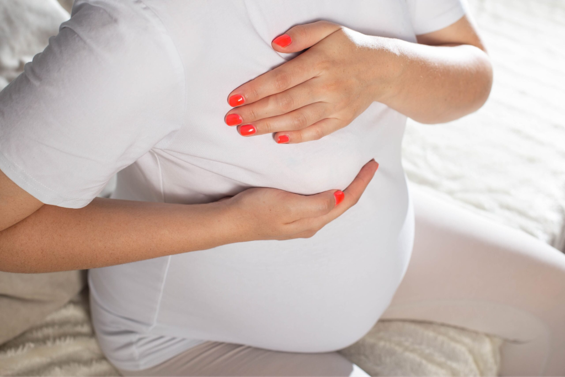
During pregnancy, your body undergoes significant hormonal changes. Increased levels of estrogen and progesterone stimulate breast tissue growth and prepare the breasts for milk production. This can lead to:
- Breast tenderness and soreness
- Swollen or enlarged breasts
- Tingling sensations
- Increased sensitivity of nipples
- Visible veins on the breasts
These changes often begin as early as the first trimester and may continue throughout pregnancy.
Experiencing breast pain or other pregnancy-related symptoms?
Book an appointment with our experienced gynecologist for personalized pregnancy care and expert guidance.
Common Causes of Breast Pain During Pregnancy
1. Hormonal Changes
The rapid rise in pregnancy hormones is the primary cause of breast pain. These hormones increase blood supply to the breasts and stimulate gland development.
2. Breast Enlargement
As the breasts prepare for breastfeeding, they become larger and heavier, which can cause discomfort and tenderness.
3. Increased Blood Flow
Pregnancy increases blood circulation throughout the body, including the breasts, resulting in soreness and heightened sensitivity.
4. Stretching of Breast Tissue
Growing breast tissue stretches the skin and supporting ligaments, contributing to pain and tightness.
5. Preparing for Lactation
The milk ducts and milk-producing glands develop throughout pregnancy, which may cause occasional breast discomfort.
Breast Pain During Pregnancy by Trimester
First Trimester
One of the first symptoms of pregnancy may be breast tenderness. Soreness is noticed by many women even before their menstruation has been missed.
Second Trimester
Breast pain may decrease, but growth and changes occur.
Third Trimester
When delivery is imminent, breasts will become plump and sometimes leak out colostrum which will lead to some pain.
Symptoms Associated with Breast Pain During Pregnancy
Women may experience:
Tender breasts
Sore nipples
Swelling
Tingling sensation
Heaviness in the breasts
Itching due to skin stretching
Increased breast sensitivity
How to Relieve Breast Pain During Pregnancy
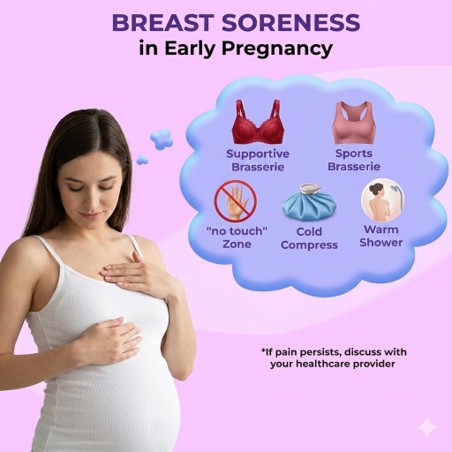
Wear a Supportive Maternity Bra
A properly fitted maternity bra can provide support and reduce the weight on your body.
Choose Soft, Comfortable Fabrics
Loose-fitting cotton bras can help lessen irritation on the body.
Apply Warm or Cold Compresses
Using warm or cold packs will help reduce soreness and inflammation.
Maintain Proper Hydration
Drinking adequate amounts of water will increase the body’s overall health and reduce swelling.
Sleep Comfortably
Sleep with a pregnancy pillow will reduce the amount of pressure placed on the breasts while sleeping.
Gentle Exercise
Gentle exercise recommended by a health care provider will improve circulation to the body and reduce any discomfort experienced during pregnancy.
Have questions about breast changes during pregnancy?
Contact our gynecology team for professional advice, diagnosis, and comprehensive maternal healthcare.
Can Breast Pain Be a Sign of Pregnancy?
Yes. Breast tenderness is often one of the earliest pregnancy symptoms. Many women notice breast soreness before taking a pregnancy test due to hormonal changes occurring shortly after conception.
Frequently Asked Questions
Is breast pain expected in a pregnant woman?
Yes, breast pains during pregnancy are completely normal and are also often the cause of hormonal changes in women’s bodies or their breasts.
When does breast tenderness start during a pregnancy?
Breast tenderness often starts as soon as one to two weeks post conception and is usually one of the first signs of pregnancy.
Will my breast pains remain constant the whole way through my pregnancy?
There is great variance among women with respect to breast tenderness; whereas other women may have tenderness throughout their entire pregnancy, many find the discomfort improves after their first trimester.
Is it possible that sharp breast pangs may indicate a medical reason to seek help during a pregnancy?
If you have new sharp breast pangs or they are becoming frequent, it is a good idea to have them evaluated by your gynecologist.
Conclusion
Breast pain during pregnancy is a natural part of the body’s preparation for motherhood. While mild tenderness and soreness are usually nothing to worry about, persistent or severe symptoms should be assessed by a qualified gynecologist. Understanding the causes and management options can help you enjoy a more comfortable pregnancy journey.