
Brown discharge before your period can feel confusing, sometimes even alarming—especially if you’re not sure whether it’s normal or a sign of something more serious. As a gynecologist, I often see patients worried about this exact symptom. The truth is, in many cases, it’s a completely natural part of the menstrual cycle—but in some situations, it can signal an underlying issue that deserves attention.
What Does Brown Discharge Before Period Mean?
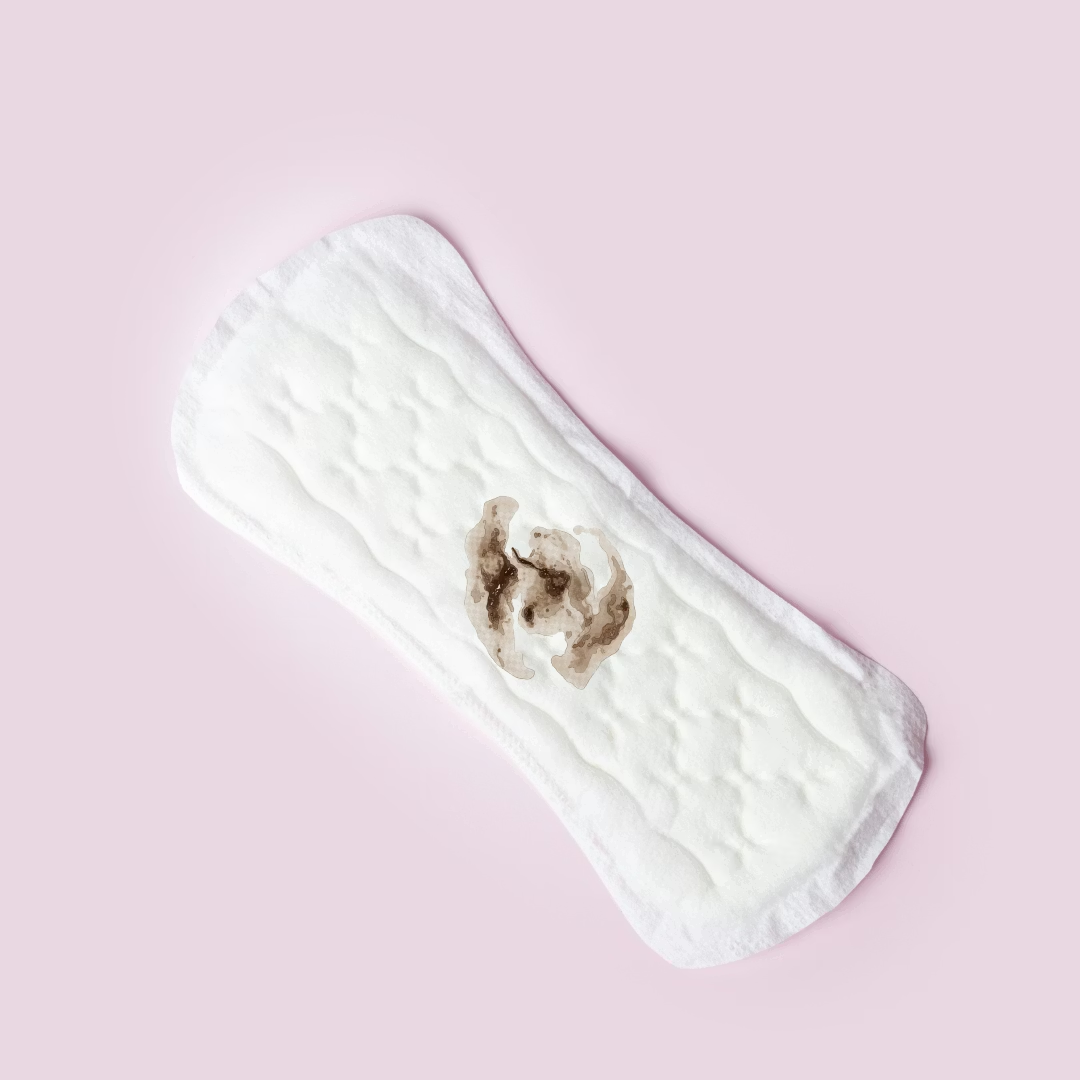
Brown discharge is essentially old blood mixed with normal vaginal discharge.
When blood is fresh, it appears bright red. But when it takes longer to exit the body, it oxidizes and turns brown. This is why many women notice:
- Brown spotting just before periods
- Dark discharge at the end of periods
This is your body’s way of “clearing out” the uterus before a new cycle begins.
Why Does Brown Discharge Happen Before Period?
Understanding the causes helps you know when to relax—and when to act.
Natural Uterine Cleaning (Most Common Reason)
Before your period begins, your uterus starts shedding its lining. Sometimes, a small amount of old blood exits early, appearing as brown discharge.
This is:
- Harmless
- Very common
- Not a cause for concern
Hormonal Imbalance
Your menstrual cycle is controlled by hormones like estrogen and progesterone. Even slight fluctuations can lead to:
- Early spotting
- Delayed periods
- Brown discharge instead of proper flow
Common triggers include:
- Stress
- Sudden weight changes
- Thyroid issues
- Poor sleep patterns
PCOS (Polycystic Ovary Syndrome)
PCOS is one of the most common causes of irregular periods in women.
In PCOS:
- Ovulation may not happen regularly
- The uterine lining builds up unevenly
- You may experience brown spotting instead of a normal period
If you also have:
- Acne
- Weight gain
- Excess facial hair
- Irregular cycles
it’s worth getting evaluated.
Birth Control & Hormonal Medications
If you’ve recently:
- Started birth control pills
- Changed your contraceptive method
- Missed pills
your body may respond with breakthrough bleeding, which often appears brown.
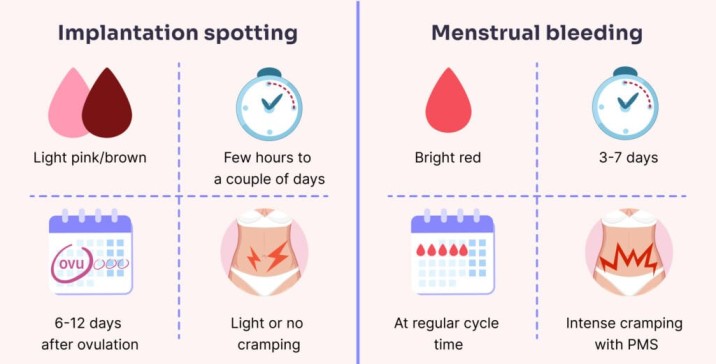
Implantation Bleeding (Early Pregnancy Sign)
In early pregnancy, when the fertilized egg attaches to the uterine lining, it may cause:
- Light spotting
- Pink or brown discharge
This typically happens:
- 6–12 days after ovulation
- Before your expected period
If there’s a chance of pregnancy, take a test for confirmation.
Infections or Cervical Issues
Though less common, brown discharge may be linked to:
- Vaginal infections
- Sexually transmitted infections (STIs)
- Cervical inflammation
Watch for signs like:
- Foul smell
- Itching
- Pain during urination or intercourse
These require medical treatment.
Vaginal Dryness and Minor Irritation
Vaginal dryness—especially due to hormonal changes—can cause slight irritation of the vaginal lining. This may lead to:
- Light spotting
- Brownish discharge when mixed with normal fluids
This is more common in:
- Hormonal imbalance
- Perimenopause
- Stress-related changes
Symptoms You Should Not Ignore
While brown discharge alone is often harmless, certain symptoms should prompt a visit to a gynecologist:
- Strong or unpleasant odor
- Pelvic or lower abdominal pain
- Burning or itching sensation
- Heavy bleeding after spotting
- Missed or highly irregular periods
- Bleeding after intercourse
When Should You See a Gynecologist?
Seek medical advice if:
- Brown discharge lasts more than 5–7 days
- It occurs every cycle
- Your periods are irregular (possible PCOS)
- You suspect pregnancy
- There is pain, discomfort, orwhite discharge
Early evaluation helps rule out serious issues and gives you peace of mind.
Simple Ways to Maintain Hormonal Balance
You can reduce irregular spotting by supporting your hormonal health:
- Maintain a healthy weight
- Exercise regularly
- Manage stress (yoga, meditation)
- Eat a balanced diet rich in iron & vitamins
- Track your menstrual cycle
Consistency in lifestyle plays a bigger role than most people realize.
FAQs – Brown Discharge Before Period
1. Is brown discharge before period normal?
Yes, in most cases it is normal and caused by old blood leaving the uterus before menstruation begins.
2. How many days before period does brown discharge occur?
Typically 1–3 days before your period. Longer duration may need evaluation.
3. Can PCOS cause brown discharge instead of periods?
Yes, PCOS can lead to irregular ovulation, causing spotting or brown discharge instead of a regular period.
4. Does brown discharge mean pregnancy?
It can sometimes indicate implantation bleeding, but a pregnancy test is needed for confirmation.
5. Can vaginal dryness lead to brown discharge?
Yes, vaginal dryness can cause minor irritation and spotting, which may appear brown.
6. When should I consult a gynecologist?
If the discharge is persistent, foul-smelling, painful, or associated with irregular periods or other symptoms.
Final Thoughts
Brown discharge before your period is usually your body’s natural process of shedding old blood. But your body also gives signals when something isn’t right—so it’s important to listen.
If it’s occasional and symptom-free, there’s usually nothing to worry about. But if it becomes frequent, persistent, or uncomfortable, a timely consultation with a gynecologist can help identify and treat the root cause early.