
Pregnancy does a lot to a woman’s body, and honestly, plenty of it is uncomfortable. Pelvic pain is one of those complaints that keeps coming up at the clinic. Some women describe a heavy, dragging ache sitting low in the pelvis. Others get a quick jab that shows up when they move, then disappears just as fast. A little discomfort is normal while everything adjusts. What matters more is knowing what is behind it and when it is worth getting checked. That bit of knowledge takes away most of the fear.
Dr. Amit Agrawal, an experienced Gynecologist in Nerul, sees this often and helps women make sense of it. So let’s go through what causes pelvic pain, how it changes from one trimester to the next, and who tends to feel it more.
Why does pelvic pain occur during pregnancy?
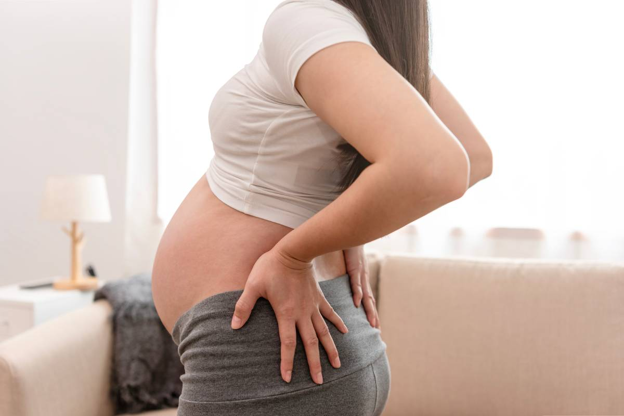
A big part of it comes down to a hormone called relaxin. It softens the ligaments and joints around the pelvis to prepare the body for childbirth. Useful, obviously. The downside is that those same joints become a little wobbly, and that instability is usually where the aching begins.
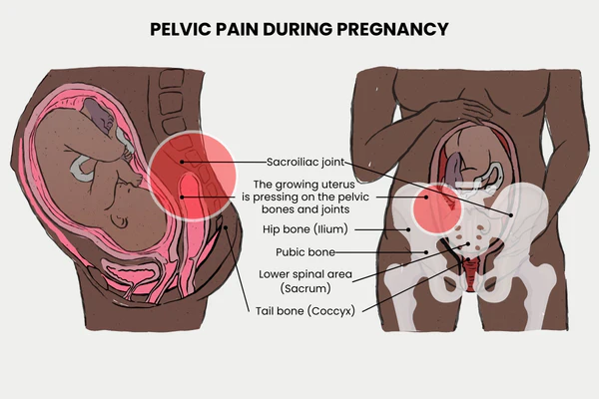
Then there is the uterus itself. As it grows, it keeps pushing on the pelvic floor muscles, the bladder, and the ligaments around it. The baby gets heavier week by week, the pressure climbs, and your posture shifts to balance all that extra weight up front. No surprise, then, that the pain tends to get louder in the last few months. Usually it is nothing more than the body adapting. But if it turns severe or refuses to ease off, that is your cue to get it looked at.
Common causes of pelvic pain during pregnancy
There isn’t one single reason. Pelvic pain can come from a handful of different things, so working out the cause is what guides treatment.
The most frequent culprit is pelvic girdle pain, where the pelvic joints start moving unevenly and you feel it across the hips, lower back, and between the legs. Round ligament pain is another common one. The ligaments holding the uterus in place stretch as it expands, and that can trigger sharp, short pains on one or both sides of the lower belly, usually right when you shift position.
Some women develop symphysis pubis dysfunction, where the joint at the front of the pelvis loosens too much. Walking, stairs, even turning over in bed can hurt after that. Later on, the baby’s weight and position press down on nerves and pelvic structures, which only adds to it. And occasionally the pain has nothing to do with joints at all. A urinary tract infection can cause it too, often alongside burning, frequent trips to the bathroom, or a fever. That one needs sorting out quickly.
Worth mentioning: if you already had PCOS or uterine fibroids before pregnancy, those can feed into the discomfort and may need a closer eye.
Pelvic pain in different stages of pregnancy
The pain doesn’t stay the same the whole way through, which is actually reassuring once you know what to expect.
In the first trimester, the twinges mostly come from the uterus expanding and hormones finding their footing. Mild cramping is par for the course. The exception is sharp or one-sided pain this early, which you should get checked, since it can occasionally signal an ectopic pregnancy.
By the second trimester, round ligament pain often peaks. The uterus rises up out of the pelvis and tugs on the ligaments, so a sudden movement, a cough, or a good laugh can bring on a brief stabbing sensation. Then the third trimester arrives and the pressure on the pelvic floor really builds as the baby prepares for birth. Pelvic girdle pain and SPD get harder to brush aside, and many women feel a distinct heaviness low down as the baby settles into position.
Once you have a sense of what is typical for each phase, telling normal aches apart from the ones worth a call becomes much easier.
Conclusion
Pelvic pain in pregnancy is common, but do not just put up with it when it starts disrupting your day. With the right care at the right time, most women get lasting relief. To talk your symptoms through with a specialist you can trust, book an appointment with Dr. Amit Agrawal in Nerul, Navi Mumbai.
Risk factors for developing pelvic pain during pregnancy
Pelvic pain can happen to anyone who is pregnant, but some women are more prone to it. If you had pelvic or lower back pain before pregnancy, there is a fair chance it returns. The same goes for women who have been pregnant before, since the joints loosen a bit more each time. Carrying twins or more adds extra weight and pressure, and so does work that keeps you on your feet for hours or physically pushes you. A past pelvic injury or an existing joint problem can affect stability as well, and carrying more body weight puts additional load on the area.
If any of that sounds like you, bring it up with your gynecologist early rather than waiting. Honestly, the simple stuff goes a long way here: better posture, the right supportive exercises, and proper high-risk pregnancy management when it is called for. For most women the pain eases off with good guidance, gentle movement, and enough rest, and they stay comfortable right through to delivery.
One thing not to ignore, though. If the pain becomes severe or constant, or shows up with bleeding, fever, or difficulty walking, get advice straight away. Catching it early keeps both mother and baby safe and gives time to deal with anything underlying.