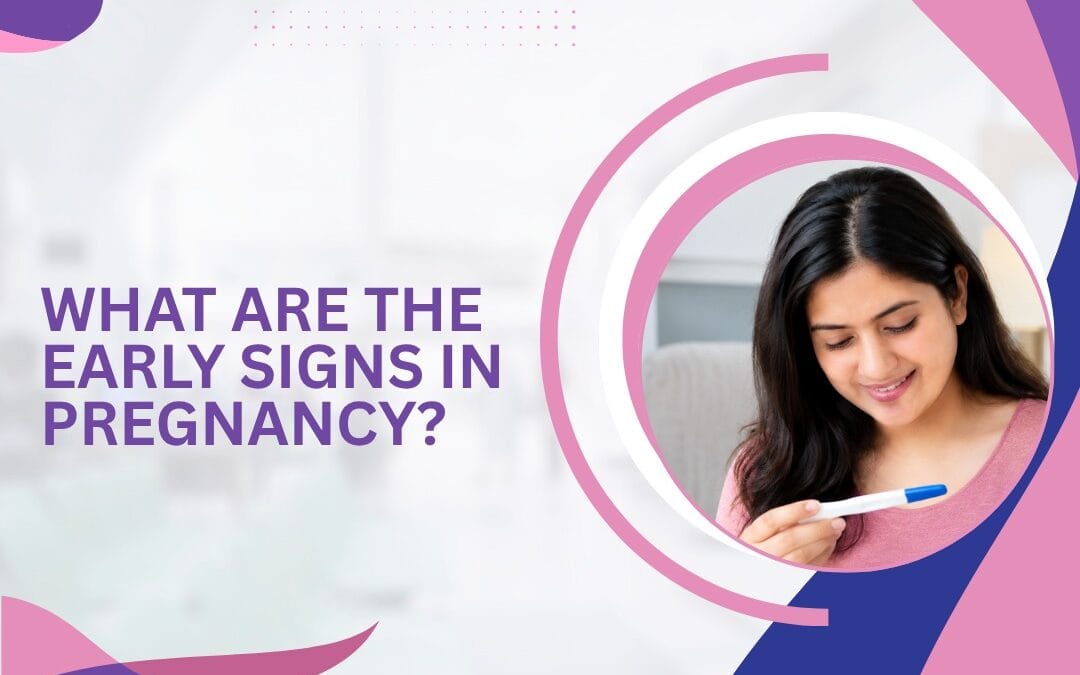
A missed period is usually the first thing women notice. Tender or swollen breasts and a tiredness that sleep doesn’t fix often follow. Together these are the most dependable early signs in pregnancy. None of them confirms it alone though. A test does that.
According to Dr. Amit Agrawal, gynecologist in Nerul, “Early pregnancy signs differ widely from one woman to another. Some notice breast tenderness within days. Others feel nothing until week six. A missed period is a strong clue but only a test and an examination can confirm it.”
Which Early Signs in Pregnancy Show Up First?
Some signs appear within days of conception. But others take a few weeks to show.
Missed period: Usually the first clue. A period running a week late in someone with regular cycles deserves a test.
Breast changes: Tenderness. Swelling. Darker nipples. Rising hormones start preparing the breasts for feeding almost immediately.
Unusual fatigue: Progesterone climbs fast and leaves you drained in a way sleep doesn’t fix. It often arrives before any other sign.
Nausea: Morning sickness can start around week six though it rarely stays confined to mornings. Some women never get it at all.
Early visits under our complete pregnancy care program track these changes and confirm what’s normal for you.
Which Early Signs Can Be Mistaken for Something Else?
Many early signs overlap with ordinary conditions. So symptoms alone can’t settle the question.
PMS: Breast soreness, bloating and mood swings all show up before a normal period too. Timing is the real difference.
Stress or illness: Exam stress. A bad flu. Travel. Any of these can delay a period and drain your energy.
Hormonal conditions: PCOS and thyroid problems cause irregular cycles and fatigue. Easy to mistake for early pregnancy.
Light spotting: Implantation spotting is lighter and shorter than a period. Plenty of women assume it’s one.
We’ve covered how that bleeding differs from a true period in our periods during the first month of pregnancy guide.
What Should You Do After Noticing These Signs?
Noticing a few signs is a reason to test. It’s not a reason to panic.
Test at the right time: Home pregnancy tests are most reliable once a period is at least a few days late. If it’s negative and your period still stays away, repeat the test after about a week.
Consider a blood test: It detects hCG earlier and more precisely than a urine test. Useful when home results stay unclear or conflict.
Start folic acid: It supports early neural tube development. Starting right after a positive test is still beneficial.
Know the red flags: Severe one sided pain or heavy bleeding needs same day care. Ectopic pregnancy is rare but serious.
Once pregnancy is confirmed, nutrition matters from the start. Our first trimester nutrition guide covers what to eat.
Key Takeaways : A late period, tender breasts and unusual fatigue are the most dependable early signs, but many of them overlap with PMS, stress and hormonal conditions. Only a well timed test confirms pregnancy. Severe one sided pain or heavy bleeding needs same day care.
Missed a Period and Unsure When to Take a Test?
A test taken too early can miss pregnancy because hCG levels are still building.
Frequently Asked Questions
How soon can early signs in pregnancy appear?
Some women notice changes within a week or two of conception. Others feel nothing until the period is late.
Can you feel pregnant before missing a period?
Sometimes. Breast tenderness and fatigue can start early. They’re easy to mistake for PMS though.
Is it possible to be pregnant without any symptoms?
Yes. Some women notice nothing in the first weeks. A test is the only reliable way to know.
Do all women get morning sickness?
No. Plenty of women never feel nauseous. Their pregnancies are perfectly healthy.
References
- NCBI Bookshelf/StatPearls: Early Pregnancy Diagnosis: https://www.ncbi.nlm.nih.gov/books/NBK556135/
- NCBI/PMC: Strips of Hope: Accuracy of Home Pregnancy Tests and New Developments: https://pmc.ncbi.nlm.nih.gov/articles/PMC4119102/
Disclaimer:
This blog is educational only and doesn’t replace medical advice. Please consult your obstetrician if you think you may be pregnant.