Uterine Fibroid Treatment in Nerul
Many women live with uterine fibroids without even realizing it at first. What starts as heavy periods or mild pelvic discomfort slowly becomes something that affects work, energy levels, relationships, and peace of mind. Often, these symptoms are ignored for years because they feel “manageable” or are assumed to be normal.
If you’re dealing with persistent bleeding, pelvic pain, or concerns about fertility, you don’t have to push through it alone. In Nerul, Dr. Amit Agrawal, an experienced gynecologist, focuses on understanding what you’re going through before suggesting any treatment. His approach to uterine fibroid care is practical, personalized, and centered on long-term health—not quick fixes.
Wondering how painless delivery can make your labor more comfortable? Get in touch with a specialist to learn more about epidural options.
Dr. Amit Agarwal
Caring & Experienced Gynecologist in Nerul
Causes and Risk Factors of Uterine Fibroids
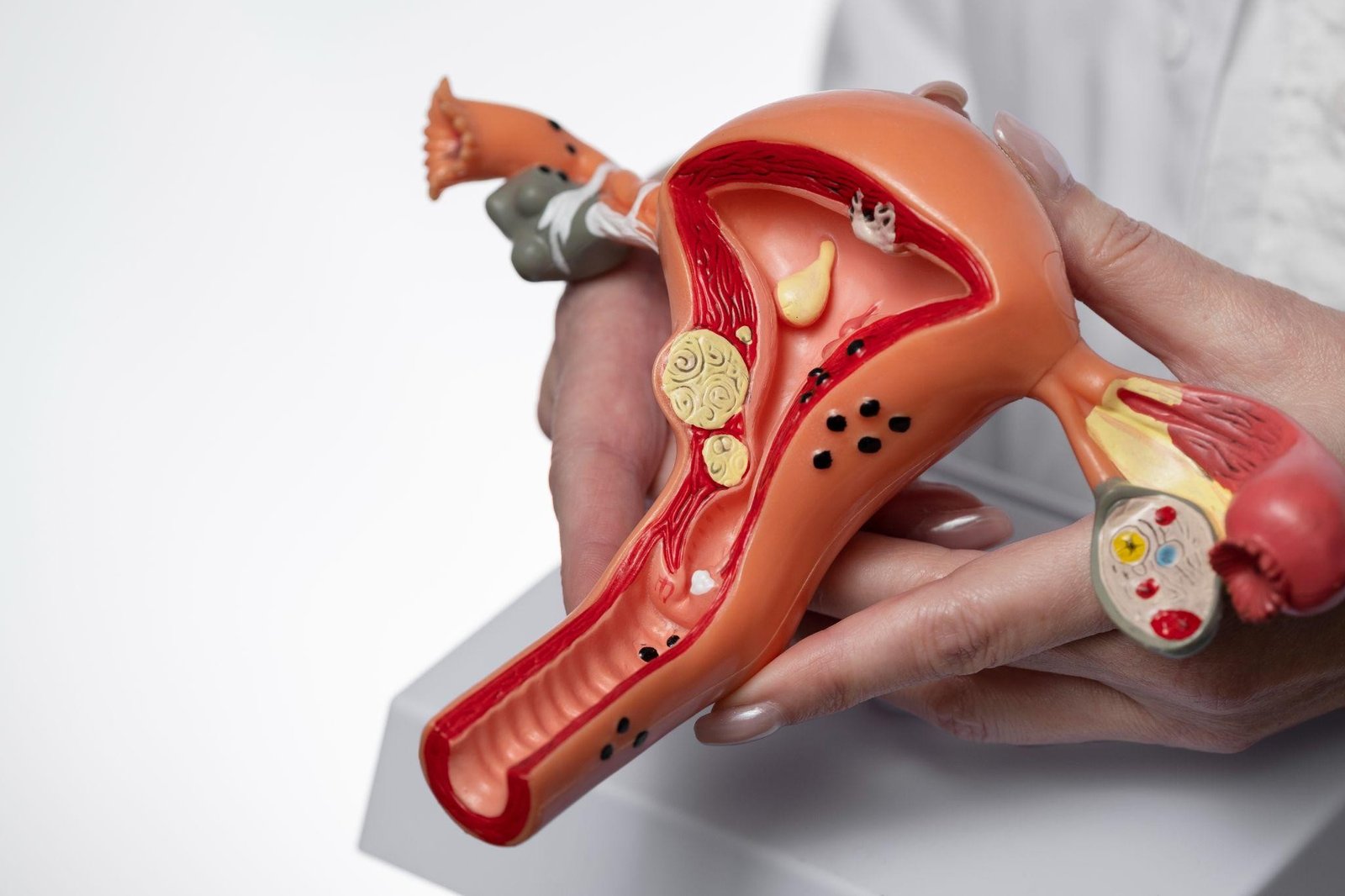
Fibroids are non-cancerous growths that form in the muscular wall of the uterus. Doctors don’t always know exactly why they develop, but over time certain patterns have become clear.
Fibroids are more commonly seen in women who:
Have hormonal imbalance, especially higher estrogen levels
Have close family members with fibroids
Started menstruating at a younger age
Have gained weight over time
Delayed pregnancy or never became pregnant
Live with long-term stress or low physical activity
Because fibroids usually grow slowly, symptoms often creep in quietly. Many women adapt their lives around them without realizing that medical help could actually improve things.
How Are Uterine Fibroids Diagnosed?
Diagnosis starts with listening. Not just ticking boxes, but understanding how your body has changed and what you’re dealing with day to day.
During a gynecological examination, fibroids may be suspected if the uterus feels enlarged or irregular. To be sure, Dr. Amit Agrawal may advise:
Pelvic ultrasound to check size and location
Transvaginal ultrasound for clearer detail
MRI, in selected cases, when treatment planning needs precision
Getting the diagnosis right helps avoid over-treatment—and just as importantly, under-treatment.
If you’ve been unsure whether your symptoms are “serious enough,” a consultation can help you decide calmly and clearly.
Dr. Amit Agarwal
Caring & Experienced Gynecologist in Nerul
Minimally Invasive Fibroid Treatments by Dr. Amit Agrawal
Many women worry that fibroid treatment automatically means major surgery. In reality, treatment is chosen carefully, based on symptoms and personal priorities.

Medical Management
For mild symptoms, medications can help reduce bleeding and pain. They don’t remove fibroids, but they can make day-to-day life more manageable.
Myomectomy (Fibroid Removal Surgery)
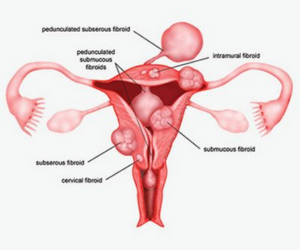
Myomectomy removes fibroids while keeping the uterus intact. It’s often recommended for women who want to preserve fertility. When appropriate, Dr. Amit Agrawal uses minimally invasive techniques to reduce recovery time.
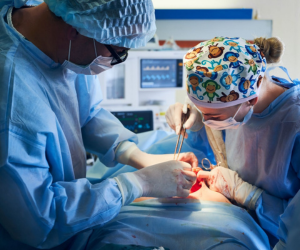
Advanced Minimally Invasive Procedures
Some cases allow treatment without open surgery. These approaches often involve less discomfort and a quicker return to routine life.
Talk to a Gynecologist About Your Fibroid Symptoms
If you’re unsure about treatment, an open conversation can help you weigh your options without pressure.
Dr. Amit Agarwal
Caring & Experienced Gynecologist in Nerul
Why Choose Dr. Amit Agrawal for Uterine Fibroid Treatment in Nerul?
Dr. Amit Agrawal offers thoughtful and comprehensive care for uterine fibroid treatment in Nerul, Navi Mumbai, combining clinical expertise with a calm and patient-first approach.
Expertise & Experience:
Extensive experience in diagnosing and treating uterine fibroids using both medical and minimally invasive surgical methods.
Uterus-Preserving Treatment Focus:
Whenever possible, priority is given to treatments that preserve the uterus and support faster recovery.
Honest Medical Guidance:
Clear, ethical recommendations are provided, with surgery advised only when it is genuinely necessary.
FAQs
Are uterine fibroids something to worry about?
They’re usually non-cancerous, but symptoms shouldn’t be ignored if they’re affecting daily life.
Do fibroids disappear on their own?
They may shrink after menopause. Before that, they usually remain or grow slowly.
Is surgery always necessary?
No. Many women manage fibroids with medication or regular follow-up.
How long does recovery take?
It depends on the treatment. Minimally invasive options usually allow faster recovery.
When should I see a gynecologist?
If your body feels different than before—especially during periods—it’s worth getting checked.