
Tubal Ligation Surgery in Nerul
Deciding on permanent birth control is a significant and deeply personal decision for many women. It often comes after careful consideration, discussions with family, and the confidence that one’s family is complete. Tubal ligation is a safe and reliable option for women seeking long-term contraception and peace of mind.
Dr. Amit Agrawal walks you through this choice with patience and honest conversations—no rush, just medical care that feels reassuring. From your first visit to recovery at home, the focus is helping you feel informed and comfortable about what you’re choosing.
Types of Tubal Ligation Procedures done by Dr. Amit Agrawal
Every woman’s situation is unique. Dr. Agrawal offers multiple surgical options and recommends the approach best suited to your medical history, timing, and individual needs.
Laparoscopic Tubal Ligation
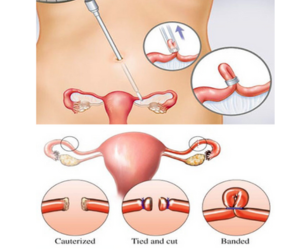
The most common choice these days. It’s done through tiny cuts in your belly using a camera and slim instruments to block or remove the tubes. Less pain, smaller scars, faster recovery—most women go home the same day and get back to life sooner. The American College of Obstetricians and Gynecologists backs this as highly effective.
Postpartum Tubal Ligation
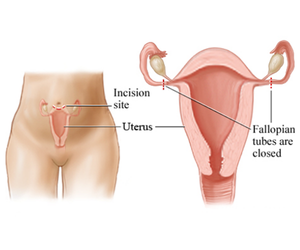
For women who are certain their family is complete, postpartum tubal ligation can be performed within 24–48 hours after childbirth. The procedure is done through a small incision near the navel while you are still in the hospital, avoiding the need for a separate surgery at a later date. Recovery occurs alongside your postpartum healing, allowing you to focus on caring for your newborn with added peace of mind.
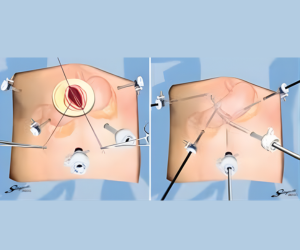
Mini-Laparotomy
Sometimes laparoscopy doesn’t work for everyone. Maybe you’ve had past surgeries or there’s something else going on. In those cases, Dr. Agrawal uses a slightly bigger incision in your lower belly. Still minimally invasive, still effective.
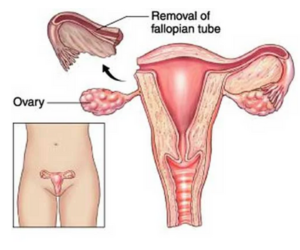
Salpingectomy (Complete Tube Removal)
Instead of just blocking the tubes, sometimes it makes sense to remove them entirely. Research suggests this might lower your risk of certain ovarian cancers. Dr. Agrawal will walk you through whether this fits your situation based on your history and risk factors.
Book a confidential consultation in Nerul to discuss the safest and most suitable tubal ligation option for you.
How Tubal Ligation Surgery Is Performed by Dr. Amit Agrawal
Understanding the procedure helps you feel prepared. Dr. Agrawal ensures you are fully informed before surgery, so you can proceed with confidence and clarity.
Pre-Operative Preparation
Before anything happens, you’ll sit down with Dr. Agrawal to go over your medical history and talk about your goals. He’ll make sure tubal ligation really is the right call for you long-term and explain other options too—just so you’re making an informed choice. You’ll get clear instructions about fasting and which medications to skip before surgery.
The Surgical Procedure
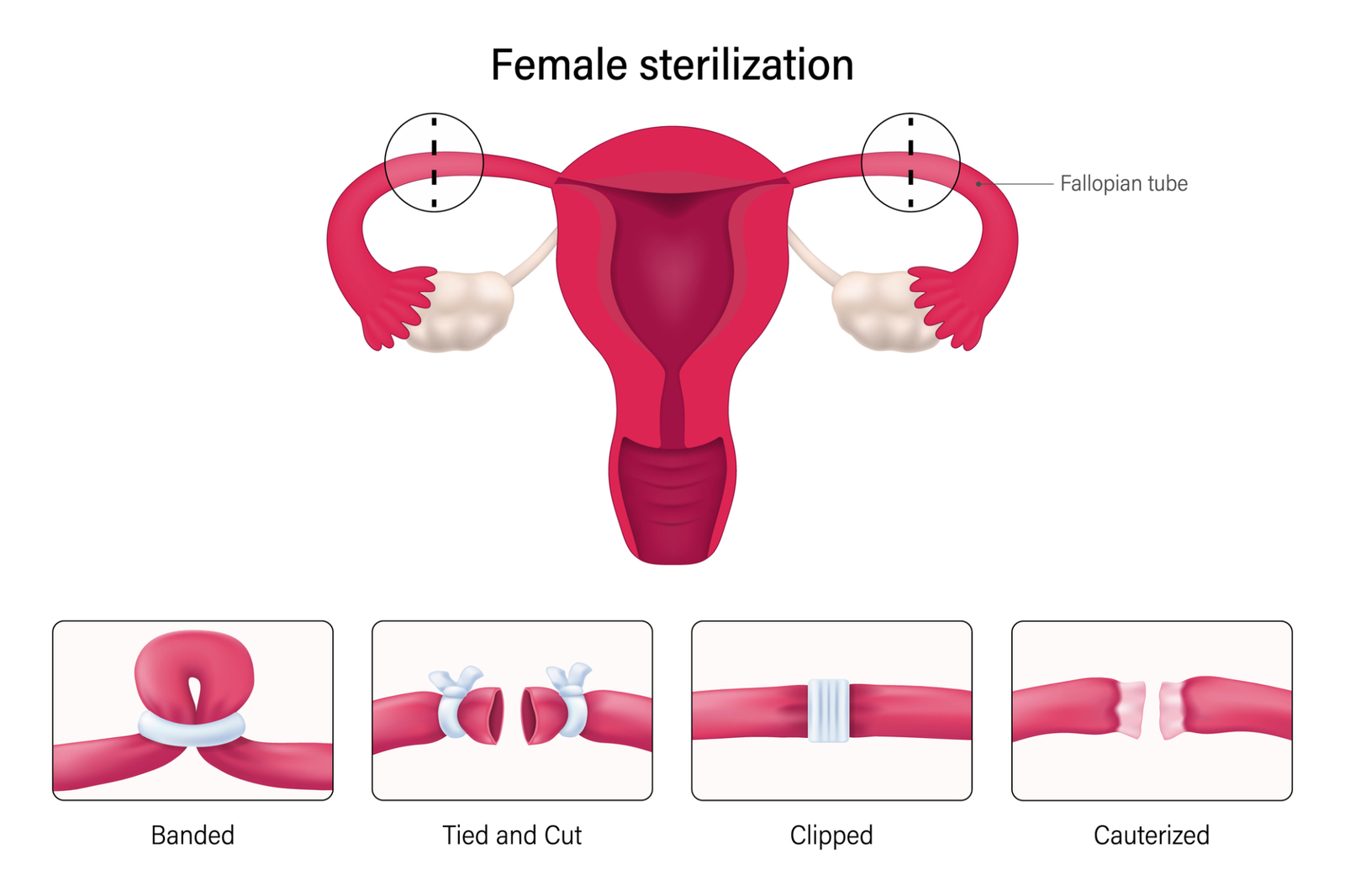
You’ll be under general or regional anesthesia, so no pain during the procedure. For laparoscopy, Dr. Agrawal makes one or two small cuts near your belly button and lower abdomen. A tiny camera goes in to guide everything. Then your tubes get blocked or removed using:
- Clips or rings to block them
- Controlled heat to seal them shut
- Complete removal (bilateral salpingectomy)
- Cutting and tying with dissolvable stitches
The whole thing usually takes 30–45 minutes. Dr. Agrawal doesn’t rush—safety and getting it right matter more.
Immediate Post-Operative Care
After surgery, you’ll rest in recovery for a few hours while the team keeps an eye on your vitals and manages any discomfort. You might feel some cramping or weird shoulder pain (from the gas used in laparoscopy)—it goes away pretty quickly. Most women are walking within hours and heading home the same day with straightforward aftercare instructions.
Benefits of Tubal Ligation Surgery
Tubal ligation is a dependable long-term contraceptive option for women who have completed their family and are seeking a permanent solution.
Permanent birth control: No more pills, shots, or thinking about contraception at all.
Highly effective: Over 99% effective according to ACOG. That’s about as reliable as it gets.
Non-hormonal: Your periods stay the same. Your hormones stay yours.
Cost-effective long term: One procedure, no recurring costs for decades.
Quick recovery: Small cuts, barely-there scars, and back to your routine faster.
Potential added benefit: Removing the tubes entirely might reduce ovarian cancer risk.
Immediate protection: Works right away—no waiting period needed.
Recovery After Tubal Ligation Surgery
Most women recover quicker than they expect, especially with Dr. Agrawal’s minimally invasive approach and careful aftercare.
First 24–48 hours
Some cramping, maybe tenderness around the cuts, possibly shoulder discomfort. It’s normal and usually settles fast. Rest is important here. Keep the incision spots clean and dry.
Days 3–7
You’ll notice you’re feeling better. Light stuff like walking and easy household tasks are fine now. But hold off on heavy lifting, hard workouts, or sex. Many people are back at work within a week, depending on what the job involves.
Weeks 2–4
By two weeks, most women feel totally normal again. The cuts heal nicely, and you can get back to everything—exercise, intimacy, all of it—once Dr. Agrawal gives the okay.
When to seek medical advice
Call if you notice:
- Fever
- Pain getting worse instead of better
- Heavy bleeding or weird discharge from the cuts
- Really bad belly pain or swelling
- Trouble breathing
Have questions about recovery or next steps? Schedule a consultation with Dr. Amit Agrawal in Nerul to get clear guidance and feel confident about your decision.
Life After Tubal Ligation
After tubal ligation, most women continue their normal routine with confidence and peace of mind.
Menstrual cycles remain the same
Your periods don’t change. Tubal ligation doesn’t affect hormones or what your ovaries do, so everything continues as usual. If you were on hormonal birth control before and stop it afterward, those changes are from quitting the pills—not from the surgery. Dr. Agrawal explains all this clearly so you know what to expect.
Sex life remains unchanged
Many women also feel more relaxed knowing they have already completed their family, while others who plan pregnancy earlier benefit from comprehensive guidance through Complete Pregnancy Care.
No impact on menopause
This doesn’t cause early menopause or make it worse when it does happen. You’ll hit menopause whenever your body naturally would, based on age and health.
Understanding permanence
Tubal ligation is meant to be permanent. Sure, reversal surgery exists, and IVF is an option, but they’re not guaranteed to work. Dr. Agrawal makes absolutely sure you’re confident about this before moving forward.
Emotional wellbeing matters
Most women feel relieved and empowered afterward. But it’s also totally normal to have mixed feelings as you adjust. Dr. Agrawal encourages you to talk through anything that comes up—your emotional health matters just as much as the physical side.
Why Choose Dr. Amit Agrawal for Tubal Ligation Surgery
Dr. Amit Agrawal provides safe, reliable, patient-focused tubal ligation in Nerul. His training, his approach, and the way he actually listens make him someone women trust with this decision.
Expertise & Experience
Dr. Agrawal has an MBBS, MS in Obstetrics & Gynecology, DNB qualification, plus Fellowship training in Minimal Access Surgery from AIIMS, Bhubaneswar. He’s done countless laparoscopic procedures—precision and safety are second nature at this point.
Personalized, Patient-Centric Care
He doesn’t treat everyone the same because no two situations are identical. Dr. Agrawal takes time to understand your history, what you want, and what worries you. He explains everything clearly so the decision you make is truly yours.
Safe, Minimally Invasive Surgery
His expertise in laparoscopic tubal ligation means smaller cuts, less pain, quicker recovery, minimal scarring—all while keeping safety standards high.
FAQs
Is tubal ligation painful?
Most women say it’s mild to moderate discomfort, not severe pain. Dr. Agrawal’s minimally invasive techniques cause less trauma than traditional surgery, and he manages pain well. Many compare it to bad menstrual cramps—manageable with medication.
How long does the surgery take?
The procedure itself? About 30-45 minutes. But plan for a few hours at the hospital overall—prep, surgery, recovery monitoring before you head home.
Will I gain weight after tubal ligation?
No. It doesn’t touch your hormones or metabolism. If your weight changes afterward, it’s about diet, exercise, aging—not the procedure.
Will my periods stop?
No. They’ll continue exactly like before. The surgery only blocks the tubes—your ovaries keep doing what they’ve always done.
How soon can I return to work?
Most of Dr. Agrawal’s patients are back within 5-7 days. Desk job? Maybe sooner. Physical work? Might need 10-14 days.
Can it be reversed?
Technically, sometimes. But reversal is complicated, pricey, doesn’t always work, and raises the risk of ectopic pregnancy. According to NIH research, success rates vary a lot. Better to be really sure before choosing tubal ligation. If you might want kids later, ask Dr. Agrawal about reversible options like IUDs.
What's the difference between blocking the tubes and removing them entirely?
Traditional tubal ligation blocks or cuts them. Bilateral salpingectomy removes them completely. Newer evidence suggests removal might lower ovarian cancer risk. Dr. Agrawal can explain which makes more sense for you.