Myomectomy Surgery in Nerul
Uterine fibroids are common, and for many women, they never cause problems. But when fibroids start affecting your daily life—through heavy periods, pain, pressure, or fertility concerns—treatment becomes necessary.
Myomectomy is a surgical procedure that removes fibroids while preserving the uterus. It is often the preferred option for women who want to maintain fertility or simply wish to keep their uterus intact.
Dr. Amit Agrawal specializes in minimally invasive myomectomy techniques, helping women get relief from fibroid symptoms with less pain, faster recovery, and better reproductive outcomes.
Schedule your fibroid consultation today and get clarity on the right treatment for you.
When Is Myomectomy Recommended?
Not all fibroids need surgery. But myomectomy is recommended in the following situations:
Heavy or prolonged menstrual bleeding
Periods lasting more than 7 days, frequent pad changes, large clots, or anemia due to blood loss.
Bladder or bowel problems
Frequent urination, difficulty emptying the bladder, constipation, or rectal pressure.
A desire to preserve the uterus
Whether for fertility or personal reasons, many women prefer uterine-sparing treatment.
Pelvic pain or pressure
Lower abdominal discomfort, back pain, or a sensation of heaviness in the pelvis.
Infertility or recurrent pregnancy loss
Some fibroids can affect implantation or pregnancy progression.
Dr. Agrawal carefully evaluates whether surgery is truly needed and discusses all available options before recommending myomectomy.
Types of Myomectomy Performed by Dr. Amit Agrawal
The choice of procedure depends on the size, number, and location of fibroids:
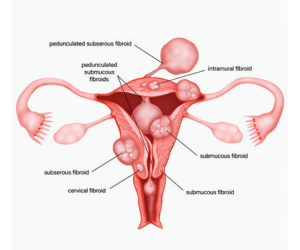
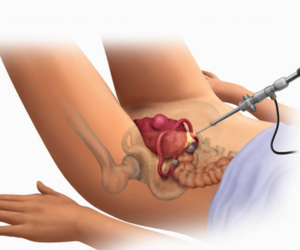
Laparoscopic Myomectomy
A minimally invasive approach using small abdominal incisions and a camera.
✔ Less pain
✔ Faster recovery
✔ Short hospital stay
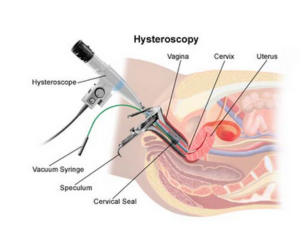
Hysteroscopic Myomectomy
Performed through the vagina for fibroids inside the uterine cavity.
✔ No external cuts
✔ Quick recovery
✔ Ideal for fertility-related fibroids
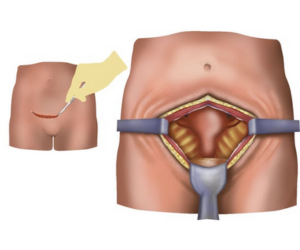
Abdominal Myomectomy (Open Surgery)
Recommended for very large or multiple fibroids when minimally invasive surgery isn’t suitable.
✔ Effective for complex cases
✔ Longer recovery period
Robotic-Assisted Myomectomy
Used for selected complex cases requiring high precision while still remaining minimally invasive.
Dr. Agrawal selects the safest and most effective technique based on individual patient needs.
Explore safe, uterus-preserving treatment options for fibroids—book your appointment now.
Conditions Treated with Myomectomy
Heavy menstrual bleeding (menorrhagia)
Bladder or bowel pressure
Fertility problems due to fibroids
Submucosal, intramural, and subserosal fibroids
Pelvic or lower back pain
Abdominal bloating or enlargement
Each treatment plan is personalized after detailed imaging and evaluation.
Recovery After Myomectomy
Recovery varies depending on the surgical approach:
Laparoscopic / Hysteroscopic Myomectomy
Light activities within a few days, full recovery in 2–4 weeks.
Abdominal Myomectomy
Recovery may take 4–6 weeks.
Patients are advised to contact Dr. Agrawal if they experience fever, severe pain, heavy bleeding, or urinary difficulties during recovery.
Benefits of Myomectomy
After tubal ligation, most women continue their normal routine with confidence and peace of mind.
Preserves fertility and future pregnancy potential
Maintains the uterus
Faster recovery and less post-operative pain
Relieves fibroid-related symptoms effectively
Minimally invasive options available
Improved quality of life
Why Choose Dr. Amit Agrawal for Myomectomy Treatment in Nerul?
Choosing the right doctor for fibroid surgery is important. Dr. Amit Agrawal offers safe, modern myomectomy care with a strong focus on patient comfort and recovery.
Experienced Gynecologist
Wide experience in diagnosing and treating uterine fibroids.
International Training
Advanced training in infertility and urogynecology, following global treatment standards.
Personalized & Compassionate Care
Individual evaluation, clear explanations, and support throughout treatment.
Minimally Invasive Expertise
Specializes in laparoscopic myomectomy to reduce pain, scarring, and recovery time.
Fertility-Focused Approach
Surgical techniques planned to protect the uterus and support future pregnancy.
FAQs
Can I get pregnant after myomectomy?
Yes. Many women have successfully conceived after myomectomy. The waiting period before conception is usually 3-6 months, depending on the type of surgery.
Do fibroids come back after myomectomy?
The fibroids that are removed will not come back, but new fibroids may form, especially in young women.
Is myomectomy painful?
Myomectomy is performed under anesthesia. The pain after surgery is usually mild to moderate and can be controlled with medication, especially in minimally invasive surgery.
How long is the hospital stay?
Most patients who undergo laparoscopic and hysteroscopic surgery are usually discharged on the same day or within 24 hours. Open surgery may require 1-2 days of hospital stay.
Will I need a C-section after myomectomy?
Not necessarily. This depends on how deeply the uterine incisions were made. Dr. Agrawal will advise you on this based on your surgery.
Can it be reversed?
Technically, sometimes. But reversal is complicated, pricey, doesn’t always work, and raises the risk of ectopic pregnancy. According to NIH research, success rates vary a lot. Better to be really sure before choosing tubal ligation. If you might want kids later, ask Dr. Agrawal about reversible options like IUDs.
What's the difference between blocking the tubes and removing them entirely?
Traditional tubal ligation blocks or cuts them. Bilateral salpingectomy removes them completely. Newer evidence suggests removal might lower ovarian cancer risk. Dr. Agrawal can explain which makes more sense for you.