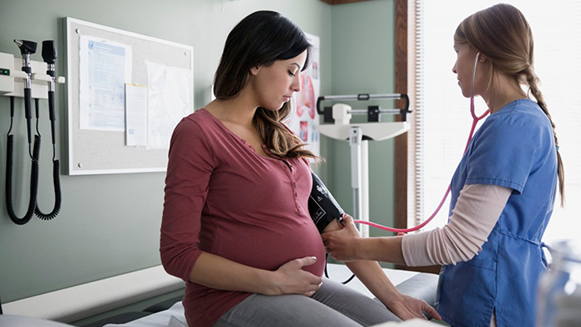
Many women walk into the clinic feeling perfectly fine, excited about their pregnancy, and then pause when their blood pressure reading comes back higher than expected. The immediate reaction is often fear—Is something wrong with my baby? Did I do something wrong? These concerns are completely natural.
As Dr Amit Agrawal often explains during antenatal visits, high blood pressure in pregnancy is more common than most people realize. In many cases, it can be managed safely with the right medical guidance and regular monitoring. What truly makes the difference is awareness, timely check-ups, and paying attention when your body signals that something may be off.
Understanding Hypertension in Pregnancy
Hypertension in pregnancy simply means that blood pressure readings stay at 140/90 mmHg or above on repeated checks. Some women develop it only after pregnancy begins, while others may already have a history of high blood pressure.
In day-to-day practice, we usually see:
- Gestational hypertension, which appears after 20 weeks
- Chronic hypertension, present even before pregnancy
- Preeclampsia, where blood pressure rises along with changes in urine or blood tests
- Eclampsia, a rare but serious condition involving seizures
Each situation behaves differently, which is why pregnancy care should never follow a “one-size-fits-all” approach.
Why Blood Pressure Control Is So Important
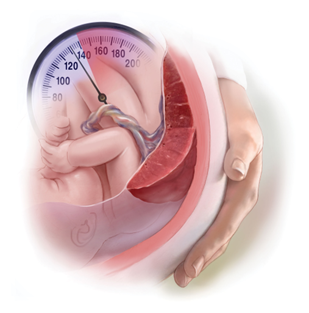
During pregnancy, your body works harder to support both you and your baby. When hypertension in pregnancy develops, this delicate balance can be affected. Reduced blood flow to the placenta may limit the baby’s supply of oxygen and nutrients, while the mother’s organs are placed under additional strain.
What often surprises patients is that serious complications can develop quietly, without pain or obvious discomfort. This is exactly why routine antenatal visits are not optional—they are essential.
Possible Complications for the Mother

Preeclampsia
This condition can start subtly, with symptoms such as persistent headaches, swelling of the face or hands, or blurred vision. If not addressed early, it may progress quickly and require urgent medical care.
Placental Abruption
High blood pressure increases the risk of the placenta separating too early from the uterus. This can lead to sudden bleeding and poses risks to both mother and baby.
Impact on Vital Organs
Sustained hypertension may affect:
- Kidneys, leading to abnormal urine findings
- Liver, causing pain or altered blood tests
- Brain, increasing the risk of seizures or, in rare cases, stroke
Delivery Challenges
In some situations, blood pressure-related complications make early delivery or a cesarean section the safer option.
Possible Complications for the Baby
Slower Growth
When placental blood flow is reduced, babies may not gain weight as expected inside the womb.
Early Birth
Sometimes, delivering the baby early becomes necessary to protect the mother’s health.
Oxygen and Developmental Concerns
Placental issues can affect oxygen delivery, influencing overall fetal development.
The reassuring part is that with timely monitoring, many of these risks can be identified early and managed appropriately.
Symptoms You Should Never Ignore
Please seek medical advice immediately if you notice:
- Constant or severe headaches
- Sudden swelling of the face, hands, or legs
- Vision problems
- Pain in the upper abdomen
- Reduced or altered baby movements
These symptoms deserve prompt attention and should never be brushed aside.
Planning a pregnancy or noticing unusual symptoms? Don’t wait—timely care helps prevent complications.
How Hypertension in Pregnancy Is Managed
Care is always personalized. In my practice, the focus is on regular monitoring rather than unnecessary intervention. Management may include:
- Frequent blood pressure checks
- Pregnancy-safe medications, when required
- Blood and urine tests to track early changes
- Ultrasound scans to assess baby’s growth
- Careful planning of delivery timing
Most women feel a sense of relief once they understand that close observation itself plays a major role in preventing complications.
Reducing the Risk of Complications
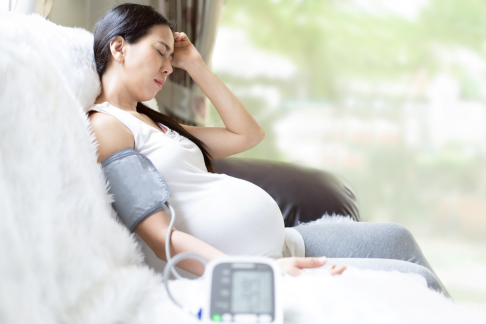
While hypertension cannot always be prevented, many complications can be avoided with simple steps—attending appointments, following medical advice, maintaining a balanced diet, staying active within limits, and reporting symptoms early.
When Should You See a Specialist?
If you have a history of high blood pressure, previous pregnancy-related complications, or new symptoms during pregnancy, early consultation is strongly advised. Proactive care often prevents emergencies later on.
FAQs
Is high blood pressure during pregnancy common?
Yes. It is one of the most frequently monitored conditions during antenatal care.
Can hypertension harm my baby permanently?
Most babies do very well when blood pressure is controlled and monitored closely.
Does blood pressure return to normal after delivery?
In many women, especially those with gestational hypertension, levels return to normal after childbirth. Follow-up remains important.
Is normal delivery possible with hypertension?
Yes, in many cases. The decision depends on blood pressure control and the baby’s condition closer to delivery.